Heal Gut health typically takes 2–12 weeks for mild issues and up to 6–12 months for severe conditions, depending on diet, lifestyle, and gut microbiome balance.
Introduction
The question “how long does it take to heal gut health?” is increasingly being asked in 2026. However, the answer is not simple. Instead, it depends on multiple factors, including diet, lifestyle, microbiome diversity, and the severity of gut imbalance.
While quick fixes are often promised, gut healing is typically a gradual biological process. Therefore, understanding realistic timelines is essential for setting expectations and achieving long-term results.
What Does “Healing the Gut” Mean?
Before timelines are discussed, it must be understood that gut healing refers to restoring balance in the gut microbiome and repairing the intestinal lining.
This involves:
- Reducing inflammation
- Rebalancing beneficial bacteria
- Improving digestion and nutrient absorption
Importantly, research shows that the gut microbiome is highly dynamic and influenced by diet, environment, and lifestyle.

How Long Does It Take to Heal the Gut?
Short Answer
- Minor gut imbalance: A 2-to-4-week timeline is the industry standard for observing early symptom relief from a minor gut imbalance (mild dysbiosis)
- Moderate issues: Medical Review Officers usually clear or flag contested results within 1 to 3 months during appeals.(MRO Review)
- Severe gut conditions: 3 to 12 months or longer are universally classified as chronic conditions by major global medical authorities. According to clinical standards like the Rome IV Criteria for Functional Gastrointestinal Disorders
However, these timelines vary significantly between individuals.
Scientific Perspective on Gut Healing Time
From a clinical standpoint, gut healing is not linear. Instead, it occurs in phases.
1. Initial Changes (Days to Weeks)
Research indicates that gut bacteria can respond rapidly to dietary changes. Within days, shifts in microbial composition may occur.
Therefore, early improvements such as reduced bloating or better digestion may be noticed within 1–2 weeks.
2. Stabilization Phase (Weeks to Months)
Although early changes happen quickly, stabilization takes longer.
Studies suggest that the microbiome requires consistent conditions to establish long-term balance. Furthermore, individual differences such as gut transit time significantly affect how quickly this process occurs.
As a result, most people begin to feel stable improvements within 4–12 weeks.
3. Long-Term Healing (Months to Years)
In cases of chronic conditions such as IBS or inflammatory bowel disease, healing may take much longer.
Scientific literature shows that gut microbiota plays a key role in intestinal healing and disease recovery.
Therefore, long-term healing may require 6–12 months or more, depending on consistency and treatment.
Expert Insight to heal Gut health
Gastroenterology research emphasizes that gut healing depends on microbial diversity and consistency in lifestyle changes.
According to microbiome studies, modern lifestyle factors—such as processed food consumption and antibiotic use—have significantly altered gut bacteria over time.
As a result, restoring balance is not instant. Instead, it requires sustained dietary and behavioral changes.
Factors That Affect Gut Healing Time
1. Severity of Gut Damage
Naturally, the more severe the imbalance, the longer healing will take.
- Mild bloating → faster recovery
- Chronic inflammation → slower recovery
2. Diet Quality
Diet is one of the most powerful factors.
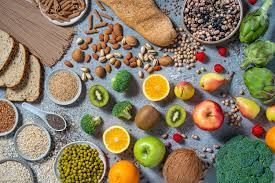
A fiber-rich, whole-food diet supports beneficial bacteria, while processed foods delay healing.
3. Consistency
Consistency is often underestimated.
Even small disruptions—such as poor sleep or stress—can slow progress significantly.
4. Gut Transit Time
Interestingly, how quickly food moves through the digestive system influences microbiome balance.
Studies show that gut transit time directly affects microbial composition and metabolism.
5. Medical Conditions
Conditions like IBS, leaky gut, or infections require more time and sometimes medical intervention.
Real-Life Case Study
Consider the case of Ali, a 32-year-old freelancer.
Initially, he experienced:
- Chronic bloating
- Fatigue
- Irregular digestion
After shifting to a whole-food diet and reducing processed food intake, he noticed improvements within three weeks. However, full recovery took nearly four months.
This case highlights a key point: early improvements happen fast, but full healing takes time.
Common Mistakes That Delay Gut Healing
1. Expecting Quick Results
Many people expect overnight changes. However, gut healing is a biological process that requires time.
2. Inconsistent Diet
Switching between healthy and unhealthy foods disrupts progress.
3. Overuse of Supplements
Although probiotics can help, they are not a complete solution.
In fact, some evidence suggests that certain probiotics may not fully restore the microbiome after disruption.
4. Ignoring Stress
The gut-brain connection means stress directly impacts gut health.
Signs Your Gut Is Healing
As recovery progresses, the following improvements are usually observed:
- Reduced bloating
- Better digestion
- Increased energy
- Improved mood
- Regular bowel movements
These signs indicate that the microbiome is stabilizing.
How to Speed Up Gut Healing
Eat Fiber-Rich Foods
Fiber feeds beneficial bacteria and promotes diversity.
Add Fermented Foods
Foods like yogurt and kefir introduce helpful microbes.
Stay Hydrated
Water supports digestion and gut lining repair.
Reduce Stress
Stress management improves gut-brain communication.
Avoid Processed Foods
These disrupt microbial balance and slow healing.
WHO Perspective on heal Gut health
Global health authorities emphasize the importance of diet and lifestyle in maintaining digestive health.
Balanced nutrition, hygiene, and reduced exposure to harmful substances are essential for gut stability and disease prevention.
Conclusion
In conclusion, the answer to “how long does it take to heal Gut health” depends on multiple factors, including severity, lifestyle, and consistency.
While initial improvements may appear within weeks, full gut healing typically requires 1 to 6 months, and in some cases longer.
Moreover, scientific evidence clearly shows that gut health is dynamic and influenced by daily habits. Therefore, sustainable changes—not quick fixes—are the key to long-term recovery.
Ultimately, patience, consistency, and informed decisions will determine how quickly and effectively your gut heals.
References
- PubMed: Gut microbiome and health studies
- PubMed: Gut transit time and microbiota
- PubMed: Microbiome and intestinal healing
- PubMed: Microbiome changes and lifestyle impact
- PubMed: Gut microbiota therapy research












One Comment