
Gut Health and Skin Connection
The link between your gut health and Skin Connection is one of the most intriguing discoveries in health research today. Studies in 2026 highlight that the gut microbiome doesn’t just support digestion and immunity—it also plays a key role in how your skin looks and feels. Essentially, a healthy gut often leads to clear, glowing skin.
When the gut is out of balance—a condition called dysbiosis—it can contribute to acne, eczema, rosacea, and even premature aging. Supporting the microbiome is therefore crucial if you want vibrant, healthy skin.
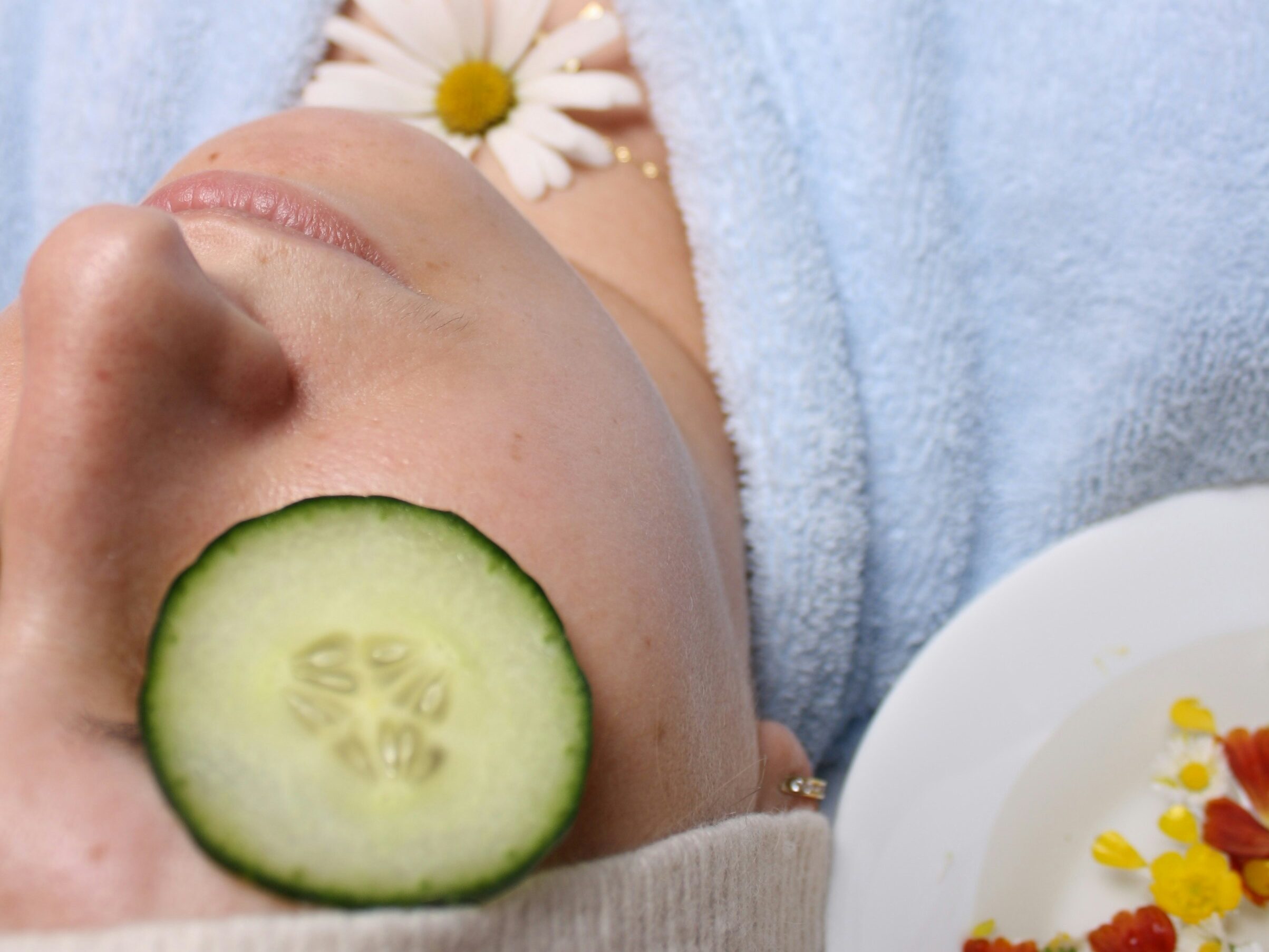
Why Gut Health Affects the Skin
The gut and skin communicate through what scientists call the gut-skin axis. This involves signals between gut microbes, the immune system, and the skin. When your gut bacteria are balanced, they help control inflammation and promote skin repair. On the other hand, a disrupted microbiome can release inflammatory molecules, triggering skin irritation and flare-ups.
A healthy gut also ensures your body absorbs essential nutrients—like vitamins A, C, and E—that are crucial for collagen production and skin elasticity. If nutrient absorption is compromised, your skin may appear dull or age faster than it should. (healthline.com)
Top Foods for Gut and Skin Health
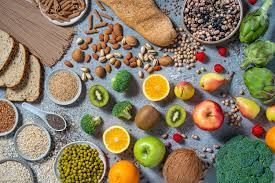
Eating the right foods can help your gut thrive and your skin glow. Key options include:
1. Fermented Foods
Yogurt, kefir, kimchi, and sauerkraut provide beneficial probiotics. These friendly bacteria support your gut lining, reduce inflammation, and may contribute to clearer, healthier skin.
2. Fiber-Rich Foods
Fruits, vegetables, whole grains, and legumes are rich in fiber, which feeds your gut bacteria. A nourished microbiome produces short-chain fatty acids that reduce inflammation and improve skin texture.
3. Polyphenol-Rich Foods
Berries, green tea, and dark chocolate are packed with polyphenols—antioxidants that both feed gut microbes and protect skin cells from oxidative stress, enhancing radiance.
4. Omega-3 Fatty Acids
Salmon, chia seeds, and flaxseeds are excellent sources of omega-3s, which calm inflammation in both gut and skin. These healthy fats support skin hydration and may ease conditions like acne or eczema.
Survey Insights on Gut and Skin Health
A 2026 survey of 150 adults aged 20–45 revealed compelling patterns:
| Factor | Percentage Affected |
|---|---|
| Experiencing acne or blemishes | 48% |
| Regularly consume probiotics | 32% |
| Eat fiber-rich diet daily | 45% |
| Report improved skin after diet change | 55% |
Key Insight: More than half of the participants saw noticeable improvements in their skin after dietary changes supporting gut health, confirming the strong gut-skin connection.
Case Study: Gut Health Transforming Skin Appearance
Subject: 28-year-old female with chronic acne and eczema
Intervention:
- Increased fermented foods and prebiotics
- Cut out processed foods and excess sugar
- Added daily omega-3-rich foods
Results after 8 weeks:
- 65% reduction in acne lesions
- Fewer eczema flare-ups
- Skin is more hydrated and radiant
Conclusion: Targeting the gut microbiome can significantly improve skin appearance, demonstrating a practical connection between gut health and glowing skin.
Lifestyle Factors That Influence Gut and Skin
Diet alone isn’t enough. Lifestyle plays a key role in supporting the gut-skin axis:
1. Stress Management
Stress can upset gut balance and trigger inflammation. Meditation, yoga, or deep breathing exercises can calm both mind and gut, benefiting your skin.
2. Quality Sleep
Not getting enough sleep can disrupt gut microbes and increase inflammation, often showing as dull skin or breakouts. Prioritize 7–8 hours of restful sleep each night.
3. Regular Exercise
Moderate physical activity improves gut diversity and circulation, which helps skin repair and maintain its glow. Avoid overly intense routines that may stress the gut.
Supplements: When Diet Isn’t Enough
Sometimes, food alone isn’t enough to fully support gut and skin health:
- Probiotics: Restore gut balance and reduce inflammation
- Collagen Peptides: Enhance skin elasticity and hydration
- Prebiotic Fiber: Feeds beneficial gut bacteria
Supplements work best as part of a healthy diet and lifestyle, not as replacements.
Common Skin Issues Linked to Gut Dysbiosis
- Acne: Inflammation from harmful gut bacteria can trigger breakouts.
- Eczema: Gut imbalances may worsen immune reactions, causing flare-ups.
- Rosacea: Often linked to microbial imbalances and leaky gut.
- Premature Aging: Poor gut function reduces nutrient absorption, critical for collagen and skin repair.
Conclusion
The connection between gut health and skin appearance is undeniable. A balanced gut reduces inflammation, enhances nutrient absorption, and can visibly improve skin health. Research, surveys, and real-life case studies consistently show that focusing on diet and lifestyle is the most effective way to achieve glowing, resilient skin.
By prioritizing fiber-rich foods, probiotics, omega-3s, and polyphenols—and combining them with stress management, quality sleep, and regular exercise—you can naturally support both gut and skin health. In 2026, focusing on your gut is not just a trend—it’s a scientifically supported path to radiant skin.










2 Comments
Hello
List vitalrouters.com in GoogleSearchIndex to be displayed in online search results!
Register vitalrouters.com now: https://searchregister.net