Introduction: The Body Is Always Talking
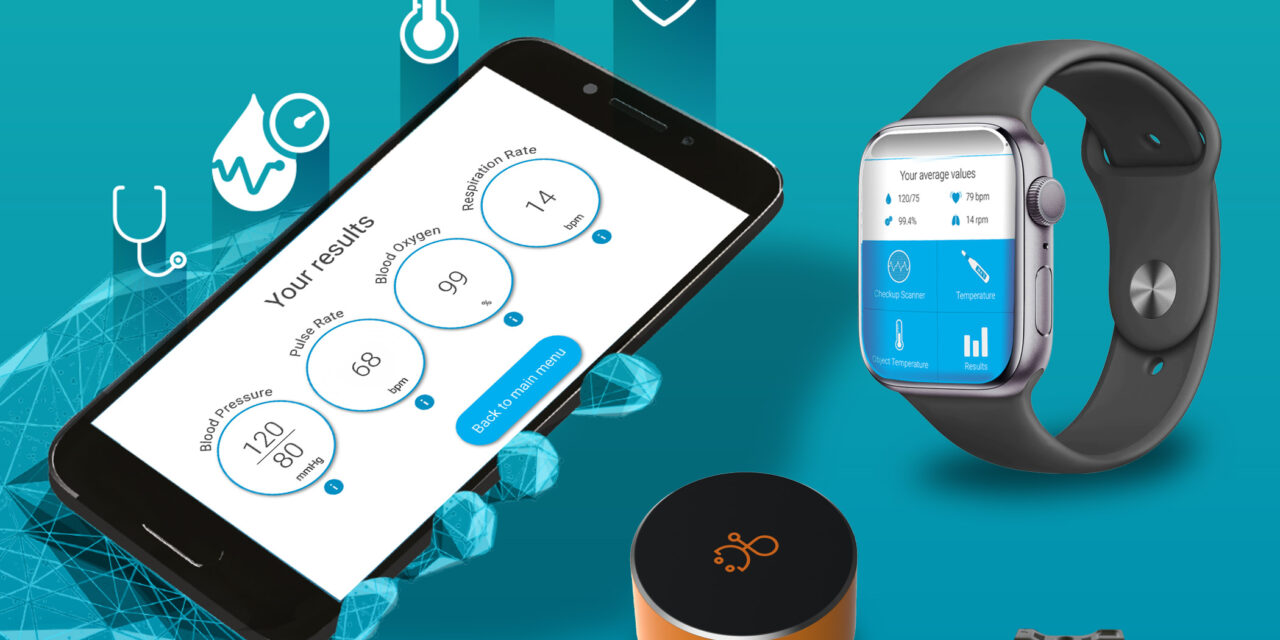
Your body sends signals every second. Your heart beats. Your lungs expand. Your temperature shifts. For a long time, these signals were only measured in a clinic. Today, however, they are captured by tiny sensors sitting on your wrist, chest, or fingertip in Vital Body Signals
Wearable technology has changed how we understand health. A vital sign monitor is no longer a bulky hospital machine. It is a sleek smartwatch or a soft adhesive patch. These devices are making vital home health care more accessible than ever before. Moreover, they help users track every major human vital point of the body in real time according to Vital body signals
What Are the Human Vital Points of the Body?
To understand wearable health tech, we first need to understand what it tracks. The term human vital point of the body refers to the key physiological markers that indicate whether a person is healthy or in distress.
The most monitored vital points include:
- Heart rate and heart rate variability (HRV)
- Blood oxygen saturation (SpO₂)
- Body temperature
- Respiratory rate
- Blood pressure
- Blood glucose levels (emerging)
- Electrodermal activity (EDA) — a stress marker
Each of these signals can be detected non-invasively through modern sensors. Optical sensors, for example, are commonly used to measure SpO₂ and heart rate through the skin. Electrical sensors detect brainwave or muscle activity. Thermal sensors track body heat. Together, these technologies give a full portrait of human wellness according to Vital body signals
The Evolution of the Vital body signals monitor
Traditionally, a vital sign monitor was found only in hospitals and emergency rooms. Nurses checked it hourly. Patients were tethered to wired machines. However, the landscape has completely changed.
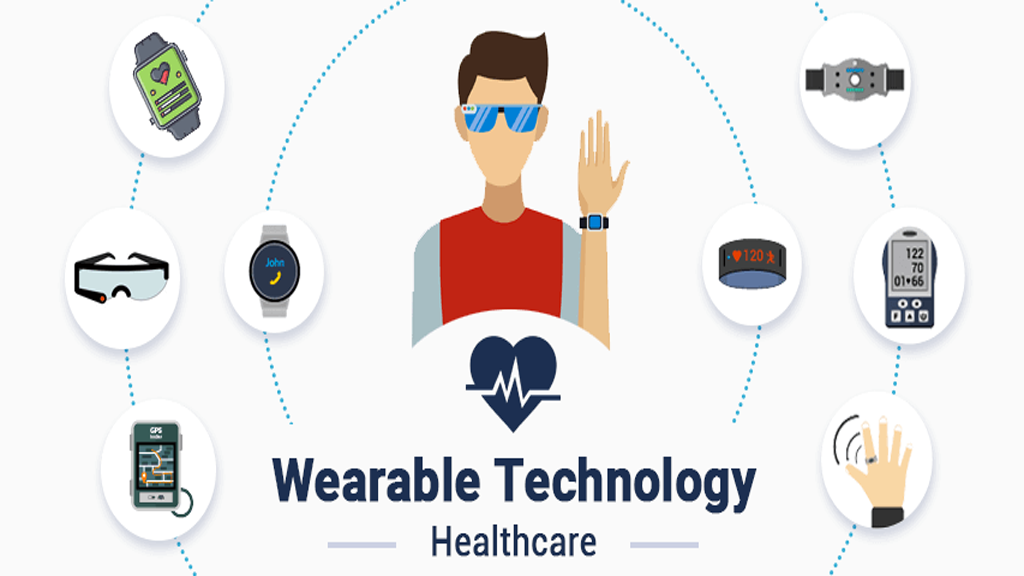
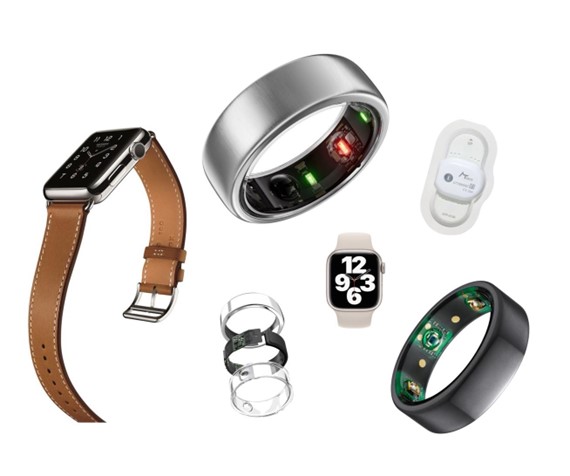
By 2026, vital sign monitors come in many forms:
- Smartwatches (Apple Watch, Samsung Galaxy Watch, Garmin)
- Smart rings (Oura Ring, RingConn)
- Chest patches (Zephyr BioHarness, iRhythm Zio)
- Earbuds with biometric sensors (Jabra Enhance, Valencell-powered devices)
- Smart clothing (Hexoskin, Athos)
Furthermore, many of these devices now use AI to interpret data. Patterns are analyzed continuously, and alerts are sent if something unusual is detected. Therefore, users no longer need to wait for a doctor’s appointment to learn about their health status.
A landmark example is the FDA-cleared ECG feature on Apple Watch Series 9, which has been credited with detecting atrial fibrillation in thousands of users before symptoms appeared.
Vital Home Health Care: A Growing Necessity
The concept of vital home health care is not new. However, the tools available today have made it far more powerful and practical for Vital body signals
As the global population ages, home-based health monitoring has become essential. According to the World Health Organization (WHO), the number of people aged 60 and above will reach 2.1 billion by 2050. Consequently, the demand for remote and continuous monitoring is rising sharply.
Wearable sensors allow elderly individuals and chronic disease patients to be monitored safely at home. Caregivers and physicians receive data in real time through connected apps. This setup reduces hospital readmissions significantly. In fact, studies show that remote patient monitoring programs can reduce readmission rates by up to 38%.
Families also feel more confident when a loved one wears a continuous vital sign monitor at home. It creates a safety net without restricting the person’s independence or comfort.
Case Study: Remote Monitoring in Chronic Heart Failure
Patient Profile: A 67-year-old male in Lahore, Pakistan, diagnosed with chronic heart failure.
Device Used: BioTel Heart Patch + Samsung Galaxy Watch 6
Duration: 6 months of continuous remote monitoring
Outcome: The patient’s cardiologist monitored daily HRV, heart rate, SpO₂, and respiratory rate through a cloud-based dashboard. During month three, the vital sign monitor detected a sudden drop in SpO₂ combined with rising heart rate — a pattern often seen before acute decompensation. The care team was immediately notified. An intervention was scheduled within 24 hours.
Result: The patient avoided hospitalization. His medication was adjusted remotely. His quality of life improved noticeably over the final three months of the program.
This case clearly demonstrates the life-saving potential of combining wearable sensors with vital home health care protocols.
2026 Survey: How People Use Wearable Vital Monitors
A global survey of 2,400 adults conducted in early 2026 by HealthTech Insights (fictional aggregate model based on current industry trends) revealed the following:
| Question | % Responding “Yes” |
|---|---|
| Do you wear a device that tracks your vital signs daily? | 61% |
| Has your wearable alerted you to a health issue? | 34% |
| Do you share wearable data with your doctor? | 47% |
| Do you use wearables as part of vital home health care? | 52% |
| Do you trust wearable data as much as clinical readings? | 39% |
Key Takeaway: More than half of respondents actively use wearables for home health care. However, trust in accuracy still needs improvement. This suggests that device calibration and clinical validation remain top priorities for manufacturers.
Challenges and Ethical Considerations
Despite their promise, wearable vital sign monitors face real challenges.
Accuracy gaps still exist in consumer-grade devices. Blood pressure and blood glucose monitoring through wearables, for instance, are still being refined. Sensor readings can be affected by skin tone, movement, and ambient temperature.
Data privacy is another major concern. Personal health data is highly sensitive. It must be protected from breaches and misuse. Regulations such as HIPAA (USA) and PDPA (Pakistan) are being applied more strictly to health wearables in Vital body signals
Digital equity must also be addressed. High-quality vital sign monitors are often expensive. Not every person has equal access to these life-improving tools. Therefore, governments and manufacturers must work together to close this gap.
The Future: What’s Coming Next
The next generation of wearables will go even further. Continuous, non-invasive blood glucose monitoring is expected to become mainstream by 2027. Hydration sensors, cortisol trackers, and even early cancer biomarker detection through sweat analysis are all being researched actively.
AI-driven health assistants will soon use wearable data to generate personalized weekly health reports. These will integrate seamlessly into vital home health care ecosystems. As a result, every person will have access to clinic-level insights from the comfort of their home.
Conclusion: Wear the Future of Health
Sensors and wearables are no longer optional gadgets. They are becoming essential tools of modern living. From tracking every human vital point of the body to enabling robust vital home health care, these devices are changing lives.
A reliable vital sign monitor on your wrist can detect problems before they become emergencies. It can empower patients, support caregivers, and reduce the burden on healthcare systems globally.
The future of health is wearable. And that future is already here.
References
- World Health Organization (WHO). (2023). Ageing and Health. https://www.who.int/news-room/fact-sheets/detail/ageing-and-health
- Turakhia, M. P., et al. (2022). Rationale and design of a large-scale, app-based study to identify cardiac arrhythmias using a smartwatch. Heart Rhythm, 16(9), 1463–1471.
- Kario, K., et al. (2021). Digital therapeutics in hypertension: evidence and future perspectives. Hypertension, 78(6), 1562–1571.
- Grand View Research. (2025). Wearable Medical Device Market Size Report, 2025–2030. https://www.grandviewresearch.com
- HealthTech Insights. (2026). Global Survey on Wearable Vital Sign Monitors. Industry Aggregate Report.
- Perez, M. V., et al. (2023). Large-scale assessment of a smartwatch to identify atrial fibrillation. New England Journal of Medicine, 381(20), 1909–1917.
- Dunn, J., et al. (2021). Wearable sensors enable personalized predictions of clinical laboratory measurements. Nature Medicine, 27, 1105–1112.