Digital Health Risks are increasing as healthcare becomes more connected. Global experts are calling for coordinated action to protect patient data, strengthen cybersecurity, and make digital health t...
Digital Health Risks are increasing as healthcare becomes more connected. Global experts are calling for coordinated action to protect patient data, strengthen cybersecurity, and make digital health t...
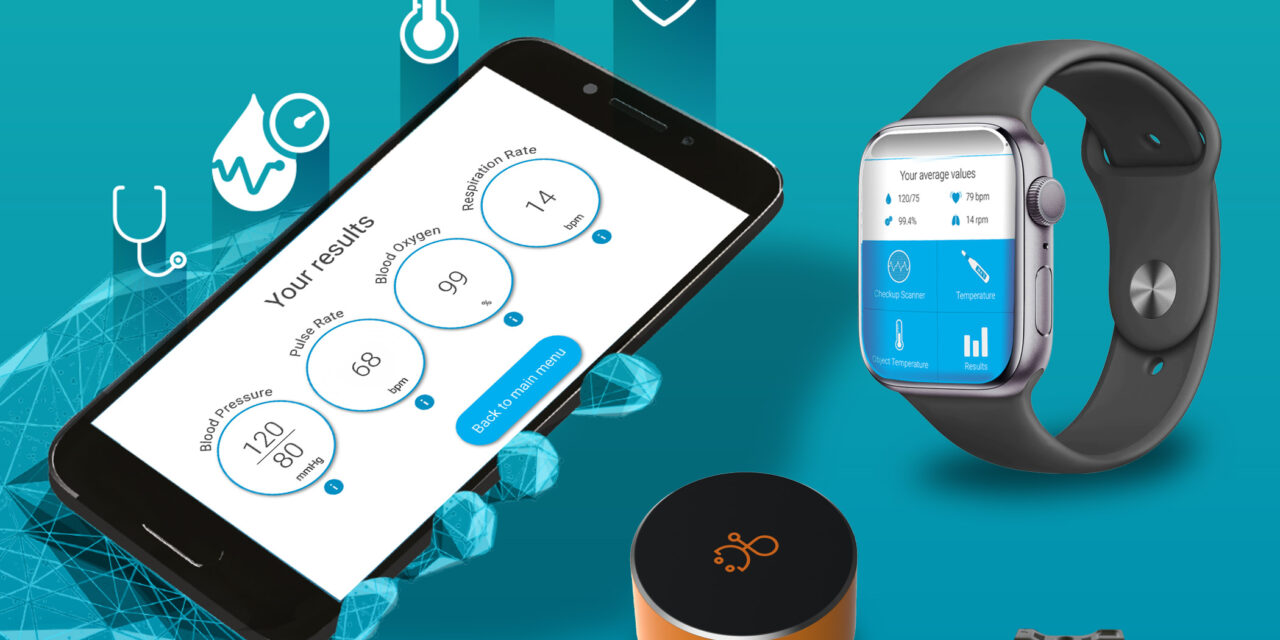
Sensors & Wearables for Vital Body Signals ...
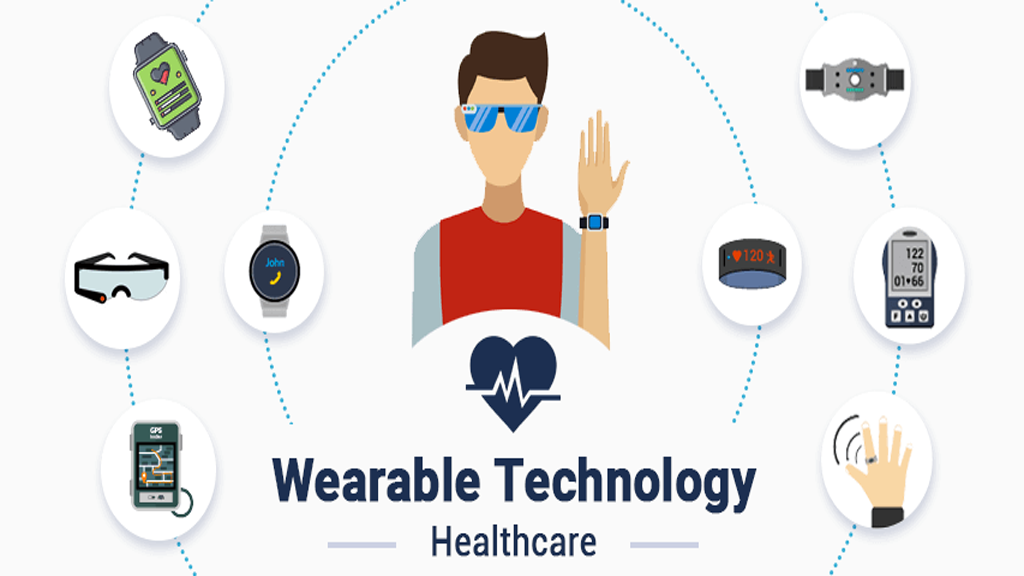
How wearable devices track health: they use sensors (like heart rate, motion, and oxygen sensors) to collect body data, process it with algorithms or AI, and display insights in mobile apps. These dev...
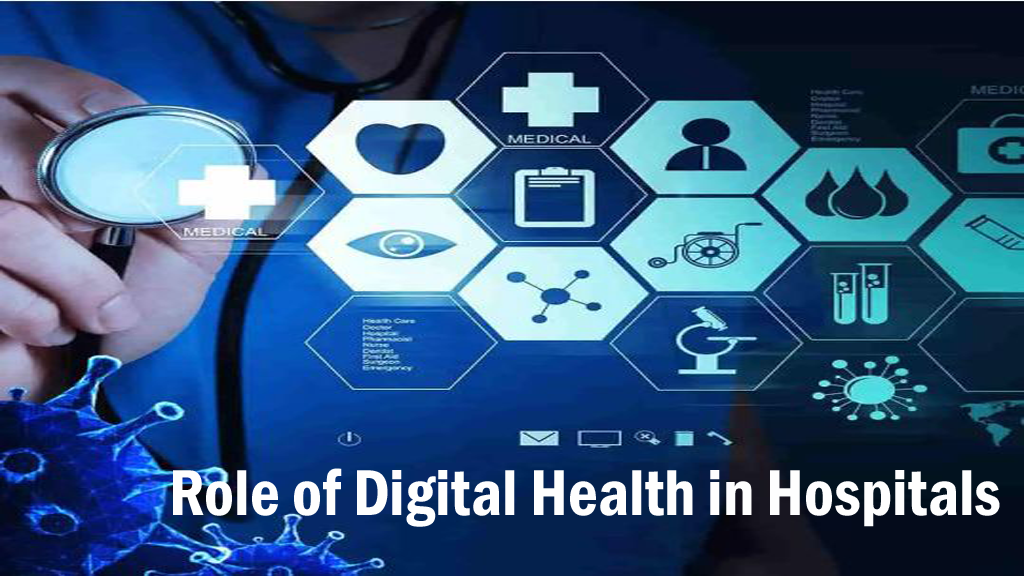
The role of digital health in hospitals is to improve patient care, streamline operations, and enable real-time decision-making using technologies like AI, telemedicine, electronic health records, and...
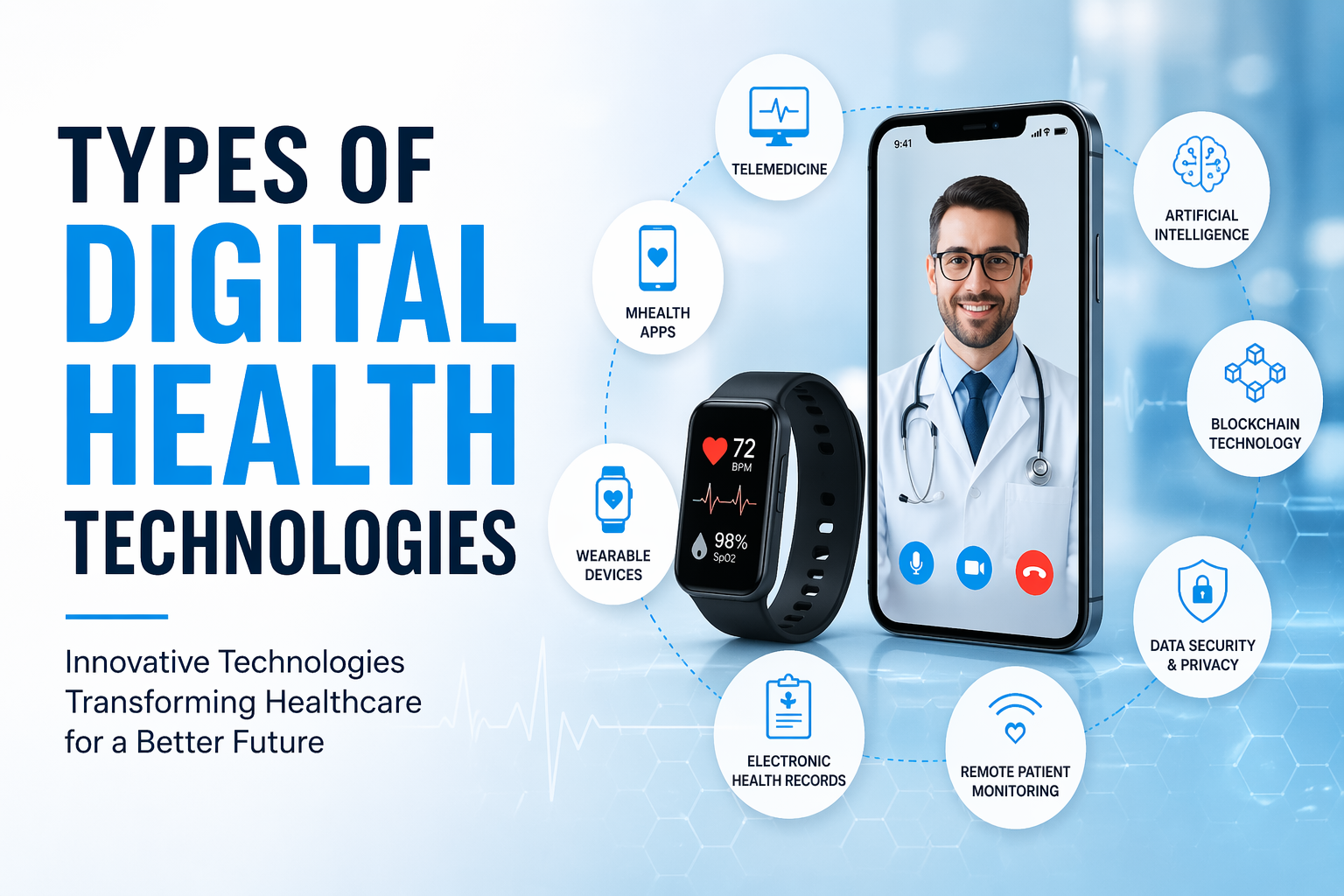
Types of digital health technologies include telemedicine, mobile health (mHealth), wearable devices, artificial intelligence (AI), electronic health records (EHR), remote patient monitoring (RPM), an...
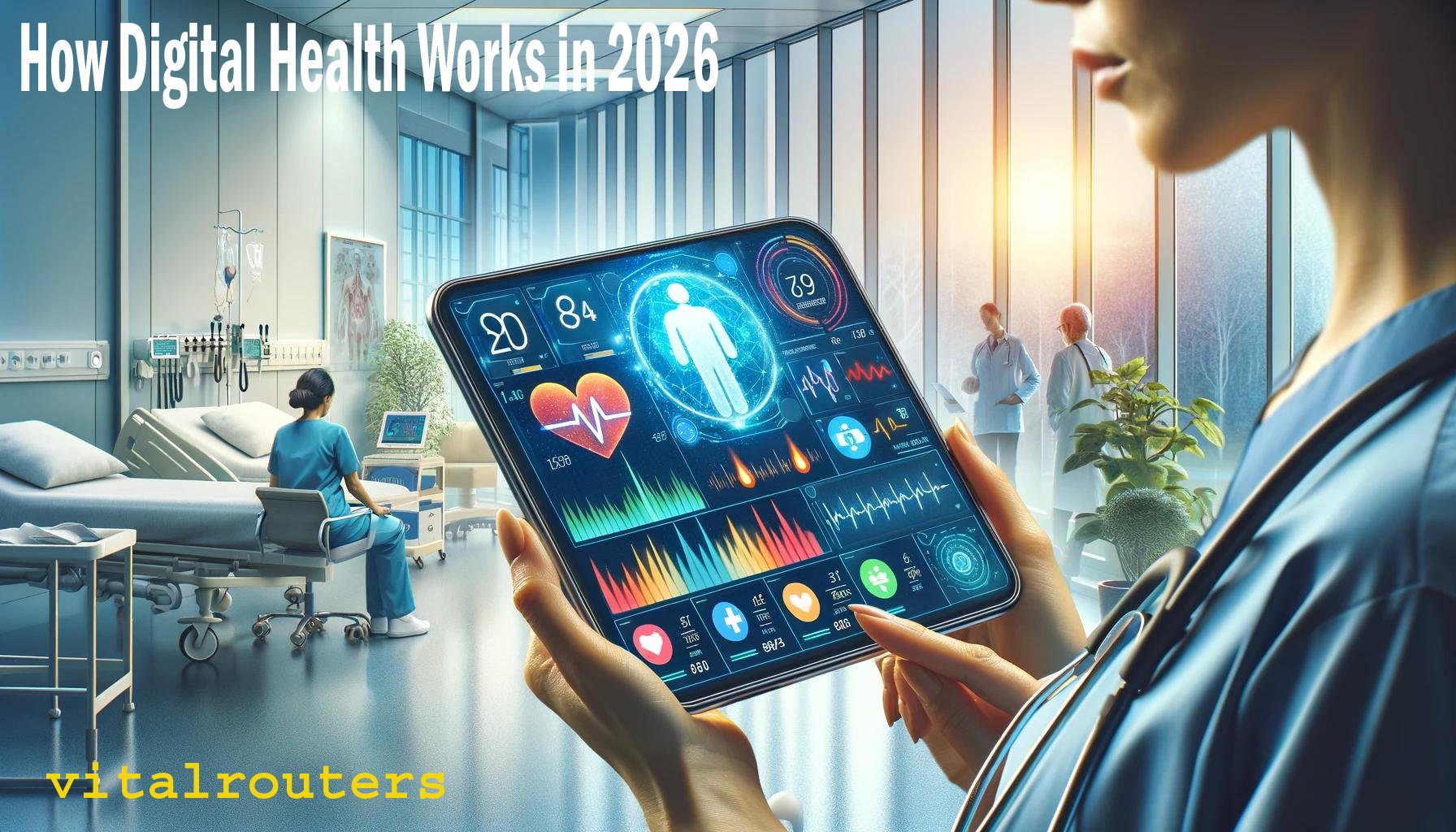
Introduction Understanding how digital health works in 2026 is essential as technology continues to transform healthcare. Today, patients no longer depend only on hospitals. Instead, they use apps, we...
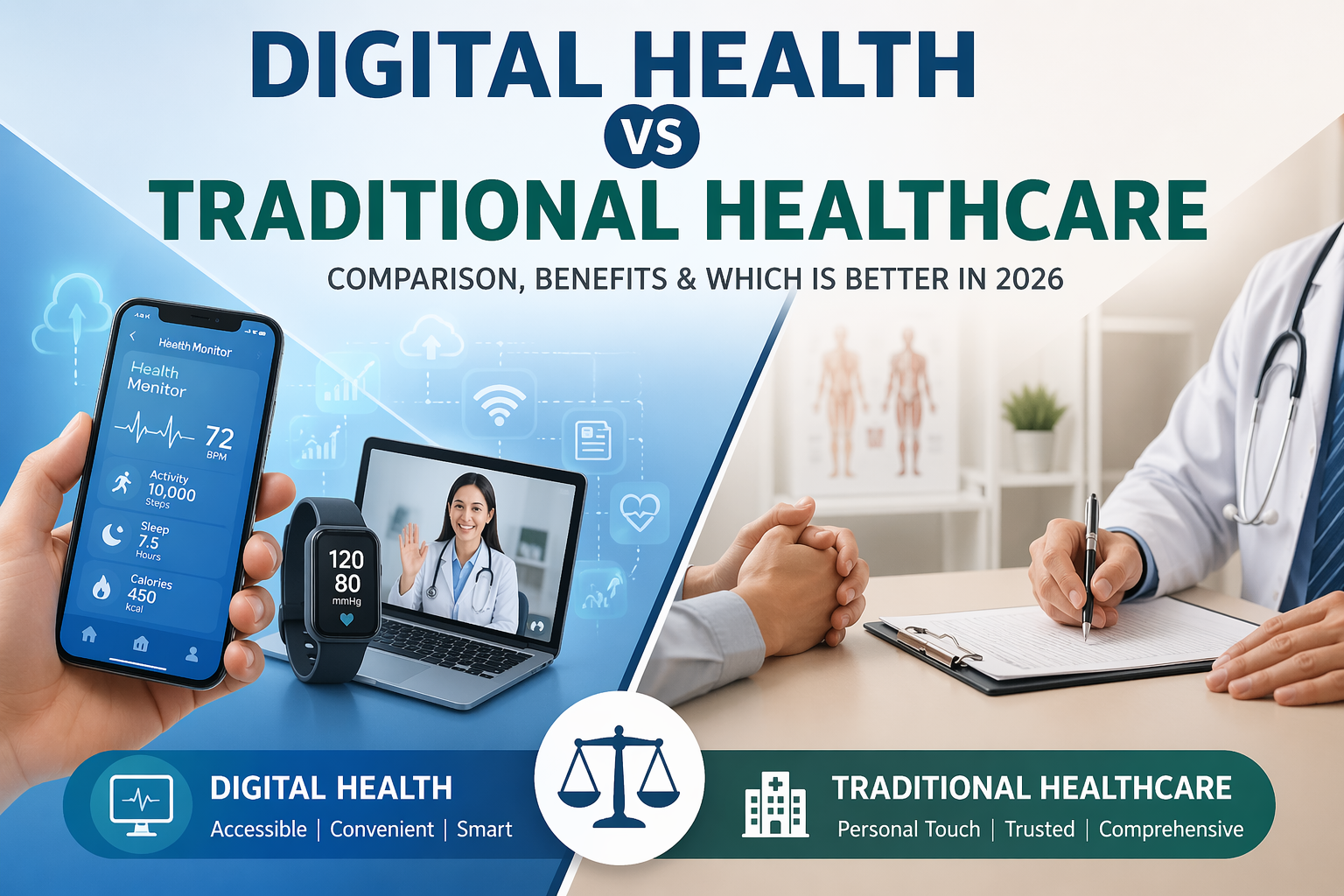
Digital Health vs Traditional Healthcare (Quick Answer)Digital health uses technology like apps, telemedicine, and wearables to deliver remote care. Traditional healthcare involves in-person visits, p...
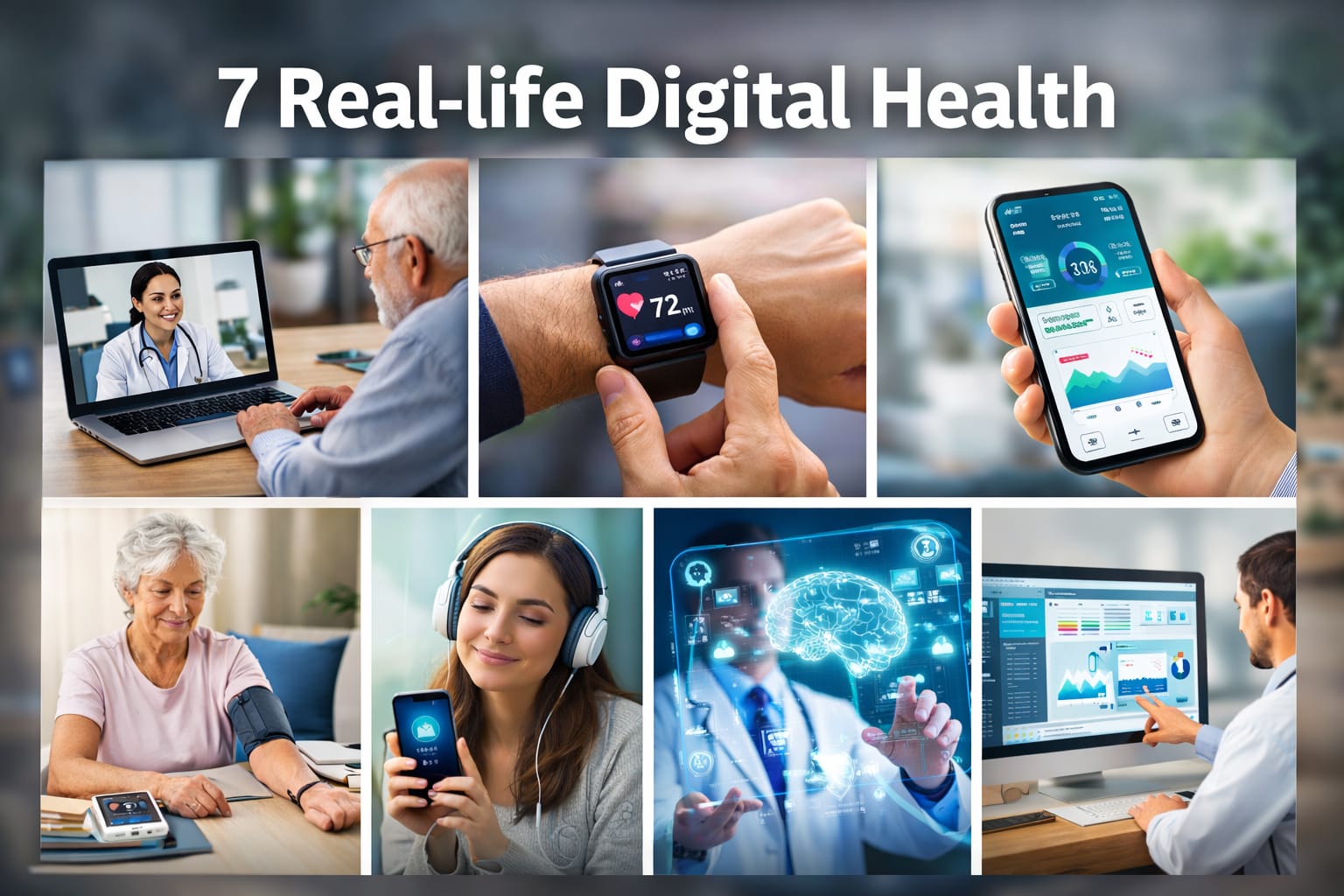
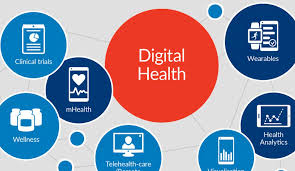
Digital health technology is rapidly transforming the global healthcare landscape by integrating smart devices, AI systems, and connected medical platforms into everyday patient care. Today,...
Digital health technology combines medicine, data, and software to improve health care delivery, personal well-being, and population outcomes. It is not a single device or app; it is an ecosystem of c...



Digital Health Risks are increasing as healthcare becomes more connected. Global experts are calling for coordinated action to protect patient data, strengthen cybersecurity, and make digital health technologies safer....
For many women, managing digestive problems has traditionally meant keeping a food diary, trying to remember symptoms, searching online for answers, and waiting for a doctor’s appointment. Today, technology is changing the way we ...
Shaping digital health for better healthcare ...
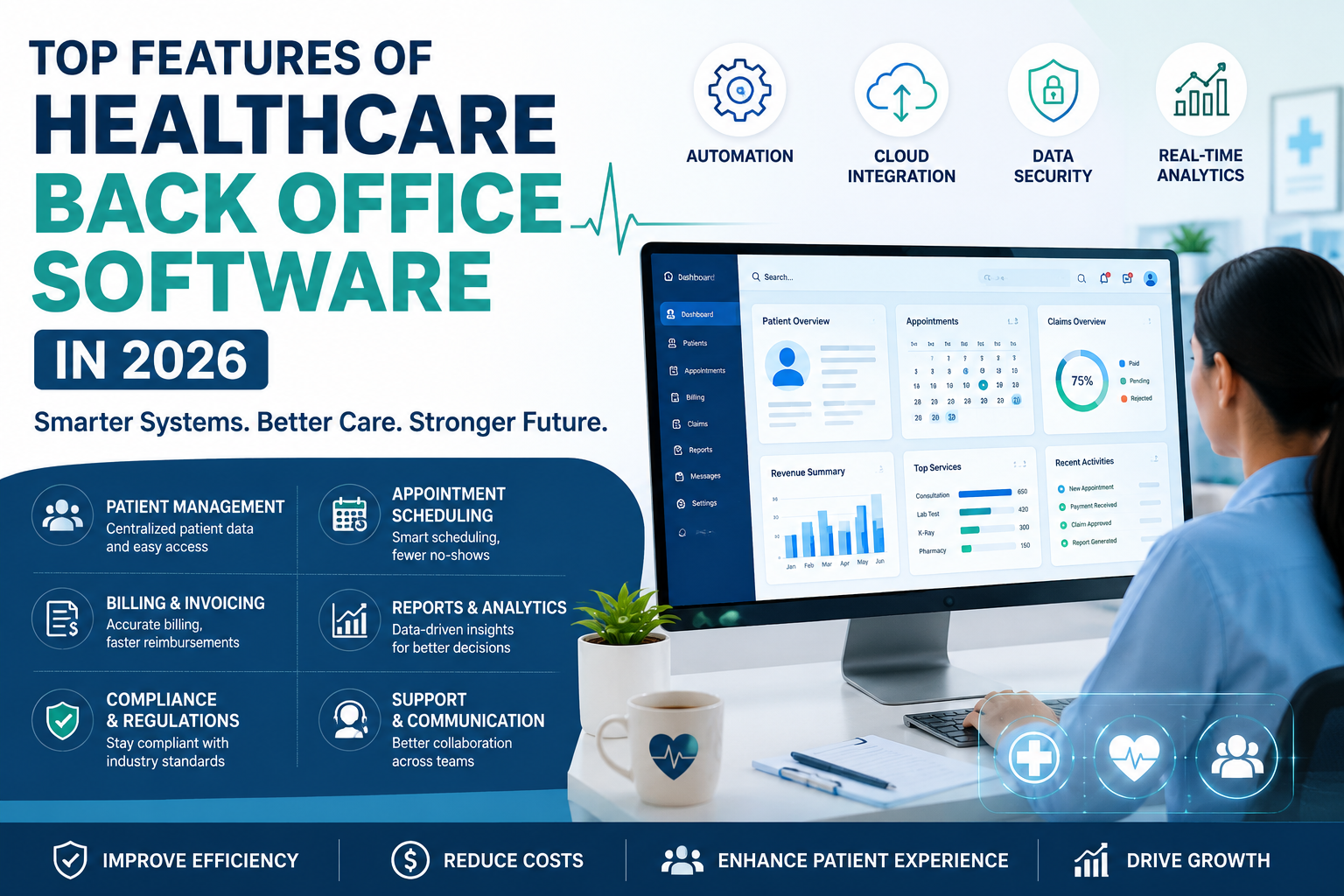
Top Features of Healthcare Back Office Software in 2026 Healthcare systems are evolving rapidly, and operational efficiency is being prioritized more than ever. As digital transformation accelerates, the role of back office softwa...
What Is a Vital Health Back Office System? Healthcare IT Explained Healthcare systems are becoming increasingly complex, and efficiency is being demanded at every level. As a result, the concept of a Vital Health Back Office syste...