Introduction
Gut health is increasingly being recognized as a foundational pillar of overall wellness. However, the early warning signals are often ignored, misunderstood, or misdiagnosed. Therefore, identifying the signs of poor gut health is essential, not only for digestive comfort but also for immune function, mental clarity, and long-term disease prevention.
Moreover, scientific research continues to highlight the connection between the gut microbiome and systemic health. Consequently, even minor imbalances can trigger noticeable symptoms over time.
What Is Poor Gut Health?
Before diving into symptoms, it is important to understand what poor gut health actually means. In simple terms, it refers to an imbalance in the gut microbiome—the trillions of bacteria living in your digestive tract.
When harmful bacteria outweigh beneficial ones, gut dysbiosis occurs. As a result, digestion is disrupted, inflammation increases, and multiple bodily systems may be affected.
Key Signs of Poor Gut Health
1. Persistent Digestive Issues
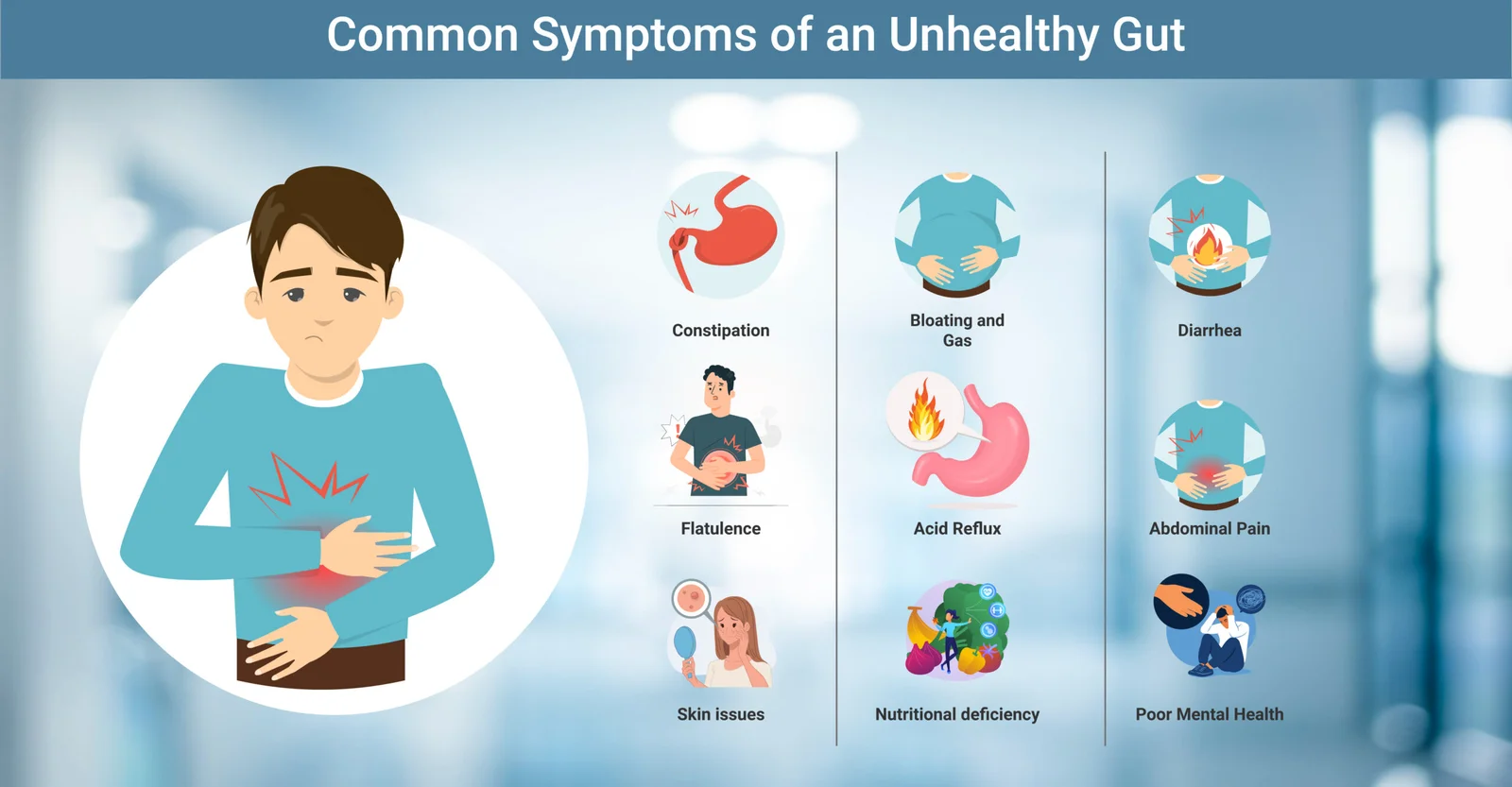
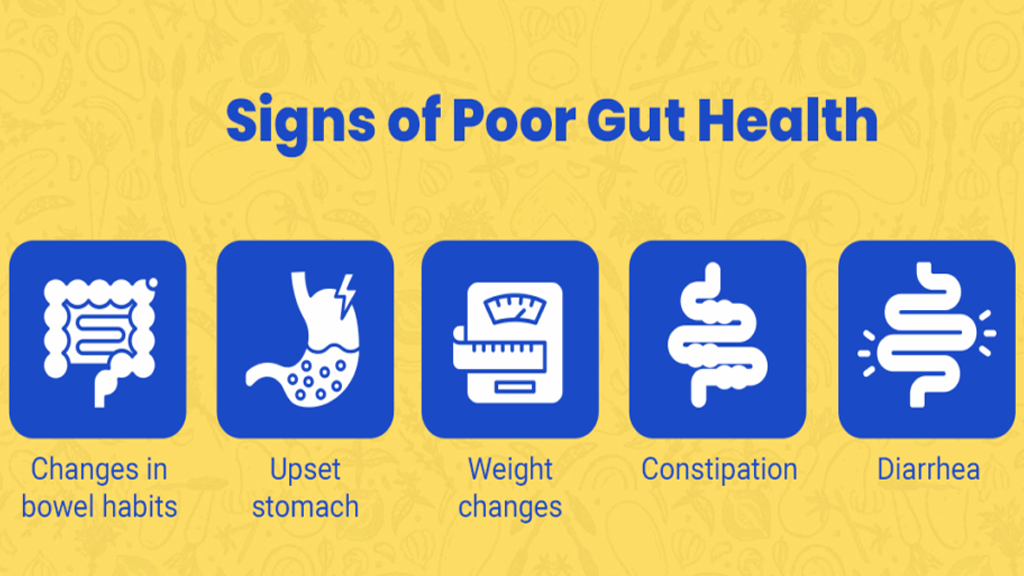
First and foremost, chronic digestive discomfort is one of the most obvious indicators. Symptoms may include:
- Bloating
- Gas
- Constipation
- Diarrhea
These issues are often dismissed as temporary. However, if they persist, they signal a deeper gut imbalance. Additionally, irregular bowel movements may indicate that gut bacteria are not functioning efficiently.
2. Unexplained Fatigue
Interestingly, fatigue is strongly linked to gut health. When the gut is inflamed, nutrient absorption is impaired. Consequently, the body lacks essential vitamins like B12 and iron.
As a result, energy levels drop, even after adequate rest. Furthermore, poor gut health can disrupt sleep cycles, worsening fatigue.
3. Frequent Illness
Another critical sign is a weakened immune system. Since nearly 70% of the immune system resides in the gut, any imbalance directly impacts immunity.
Therefore, individuals with poor gut health often experience:
- Frequent colds
- Infections
- Slow recovery times
In contrast, a healthy gut supports stronger immune defense.
4. Food Intolerances
Food sensitivities often develop when the gut lining becomes compromised. This condition, commonly referred to as “leaky gut,” allows undigested food particles to enter the bloodstream.
Consequently, the immune system reacts negatively. Common intolerances include:
- Dairy
- Gluten
- Processed foods
Moreover, symptoms such as bloating, headaches, or nausea may occur after eating specific foods.
5. Skin Problems
Surprisingly, skin health is closely tied to gut function. Conditions such as:
- Acne
- Eczema
- Rosacea
are often linked to gut inflammation.
When toxins are not properly eliminated, they may be expelled through the skin. Therefore, persistent skin issues can be a sign of internal imbalance.
6. Unintentional Weight Changes
Weight fluctuations without dietary changes are another warning signal. Poor gut health affects how the body stores fat, regulates blood sugar, and manages hunger hormones.
As a result:
- Weight gain may occur due to insulin resistance
- Weight loss may occur due to poor nutrient absorption
Thus, unexplained changes should not be ignored.
7. Brain Fog and Mood Swings
The gut-brain connection plays a significant role in mental health. In fact, the gut produces neurotransmitters like serotonin.
When gut bacteria are imbalanced:
- Anxiety may increase
- Depression symptoms may appear
- Focus and memory may decline
Therefore, mental clarity is often compromised.
Expert Insight: What Research Says
According to gastroenterology research published in leading medical journals, gut microbiome diversity is directly linked to overall health outcomes.
Dr. Emeran Mayer, a well-known gut-brain axis expert, explains that disruptions in gut bacteria can influence not only digestion but also emotional and cognitive functions.
Furthermore, studies suggest that chronic inflammation originating in the gut may contribute to conditions like obesity, diabetes, and even autoimmune disorders.
Real-Life Case Study
Consider the case of Ahmed, a 34-year-old digital marketer. Initially, he experienced mild bloating and fatigue. However, over time, his symptoms worsened, including frequent colds and skin breakouts.
After consulting a nutrition specialist, it was discovered that his diet was high in processed foods and low in fiber. Consequently, his gut microbiome was severely imbalanced.
By gradually introducing probiotics, whole foods, and hydration, his symptoms improved significantly within three months.
This example clearly demonstrates how lifestyle changes can restore gut health effectively.
Additional Warning Signs to Watch
Besides the major symptoms, there are subtle indicators that should not be overlooked:
- Bad breath despite good hygiene
- Sugar cravings
- Poor sleep quality
- Frequent headaches
Although these signs may seem unrelated, they are often connected to gut imbalance.
Why Early Detection Matters
Early identification of poor gut health is crucial. If left untreated, it may lead to:
- Chronic inflammation
- Digestive disorders
- Metabolic issues
Therefore, taking action at the initial stage can prevent long-term complications.
How to Improve Gut Health
Although this article focuses on symptoms, it is equally important to understand corrective measures.
1. Eat a Fiber-Rich Diet
Whole foods such as fruits, vegetables, and whole grains support beneficial bacteria.
2. Include Probiotics
Fermented foods like yogurt and kefir help restore microbial balance.
3. Stay Hydrated
Water aids digestion and supports nutrient absorption.
4. Reduce Stress
Chronic stress negatively impacts gut function. Therefore, relaxation techniques are beneficial.
5. Limit Processed Foods
Highly processed foods disrupt gut bacteria and should be minimized.
Conclusion
In conclusion, recognizing the signs of poor gut health is essential for maintaining overall well-being. While symptoms such as digestive issues, fatigue, and skin problems are common, they should not be ignored.
Moreover, expert insights and real-life cases clearly show that gut health impacts multiple systems in the body. Therefore, early intervention, combined with lifestyle adjustments, can significantly improve quality of life.
Ultimately, a healthy gut is not just about digestion—it is the foundation of a healthier, more balanced life.













One Comment