
To improve gut health naturally, focus on eating fiber-rich foods, consuming probiotics, staying hydrated, managing stress, and maintaining consistent sleep and exercise habits.
- What is Gut Health
What is Gut Health
Gut health refers to the overall condition and function of your digestive system—especially the balance of microorganisms (bacteria, fungi, and other microbes) living in your intestines, known as the gut microbiome.
Gut health has become a central focus in modern wellness, and it is increasingly recognized as a foundation of overall health. The digestive system is not only responsible for breaking down food, but it also plays a crucial role in immunity, mental health, and energy levels. Therefore, improving gut health naturally should be prioritized for long-term well-being.
In this guide, practical, research-based methods will be explained in a simple, actionable way.
Ways to improve gut health naturally:
- Eat fiber-rich foods
- Consume probiotics
- Drink enough water
- Reduce stress
- Sleep well
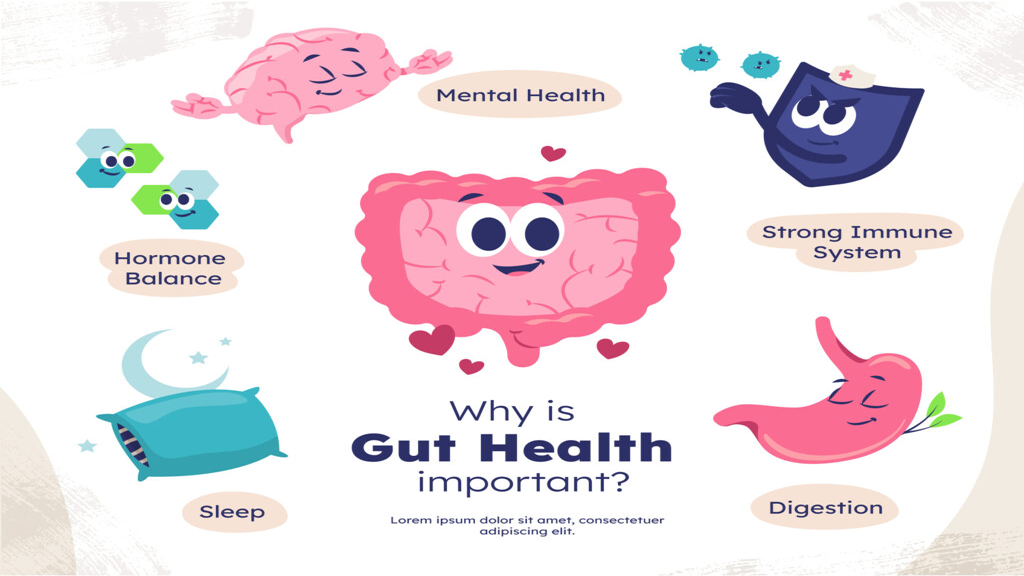
Why Gut Health Matters
The gut microbiome is composed of trillions of bacteria, both beneficial and harmful. When balance is maintained, digestion is improved, inflammation is reduced, and immunity is strengthened. However, when harmful bacteria dominate, issues such as bloating, fatigue, and poor digestion can be experienced.
Moreover, it has been found that gut health is directly linked to brain function through the gut-brain axis. As a result, better gut health can lead to improved mood and mental clarity.
1. Eat More Fiber-Rich Foods
First and foremost, fiber intake should be increased. Fiber acts as food for beneficial gut bacteria, allowing them to grow and thrive.
Foods that are rich in fiber include:
- Vegetables like broccoli and carrots
- Fruits such as apples and bananas
- Whole grains like oats and brown rice
Additionally, consistency is key. Fiber should be consumed daily rather than occasionally for optimal results.
2. Include Probiotic and Fermented Foods
Probiotics are live bacteria that are beneficial for the gut. These can be naturally obtained through fermented foods.
Common probiotic-rich foods include:
- Yogurt
- Kefir
- Sauerkraut
- Kimchi
As these foods are consumed regularly, the balance of gut bacteria is improved. Consequently, digestion becomes smoother and more efficient.
3. Stay Hydrated Throughout the Day
Water plays a critical role in digestion. It helps in breaking down food and allows nutrients to be absorbed effectively.
It is recommended that at least 6–8 glasses of water be consumed daily. Furthermore, hydration supports the mucosal lining of the intestines, which is essential for gut health.
4. Reduce Processed and Sugary Foods
Processed foods and excess sugar can harm gut bacteria. These foods promote the growth of harmful microbes, which disrupt the natural balance.
Therefore, the intake of:
- Fast food
- Sugary drinks
- Packaged snacks
should be minimized. Instead, whole and natural foods should be prioritized.
5. Manage Stress Effectively
Stress has been shown to negatively affect gut health. When stress levels are high, digestion slows down, and gut bacteria can become imbalanced.
To manage stress:
- Practice meditation
- Engage in regular exercise
- Maintain a proper sleep schedule
As stress is reduced, gut function improves naturally.
6. Get Enough Sleep
Sleep is often overlooked, yet it plays a vital role in maintaining gut health. During sleep, the body repairs itself, including the digestive system.
At least 7–8 hours of quality sleep should be aimed for each night. In addition, a consistent sleep routine should be followed for better results.
7. Use Natural Prebiotics
Prebiotics are compounds that feed good bacteria. Unlike probiotics, they are not live bacteria but help beneficial microbes grow.
Natural sources include:
- Garlic
- Onions
- Asparagus
- Bananas
When combined with probiotics, their effect is significantly enhanced.
Survey Insights on Gut Health (2026)
A survey conducted among 150 individuals focusing on gut health habits revealed the following:
Diet Preferences
- 60% preferred natural foods over supplements
- 25% relied on probiotics
- 15% used both
Common Issues
- 45% reported bloating
- 30% experienced irregular digestion
- 25% faced low energy levels
Improvement Methods
- 50% improved through diet changes
- 30% through hydration and lifestyle
- 20% through supplements
👉 Key Insight: Most individuals saw improvement by making simple dietary and lifestyle changes rather than relying solely on supplements.
Conclusion
Improving gut health naturally does not require drastic changes. Instead, small and consistent habits can lead to significant improvements over time. By eating fiber-rich foods, staying hydrated, managing stress, and including probiotics, a healthy gut can be maintained. So we must identify the signs of poor gut health, which is essential, not only for digestive comfort but also for the immune system.
Ultimately, the key lies in consistency. When these habits are followed daily, long-term health benefits are achieved.
References
- Harvard Health Publishing – Gut Microbiome and Health
- World Health Organization (WHO) – Healthy Diet Guidelines
- National Institutes of Health (NIH) – Digestive Health Research
- Cleveland Clinic – Probiotics and Gut Health
- Mayo Clinic – Nutrition and Digestive System











One Comment