
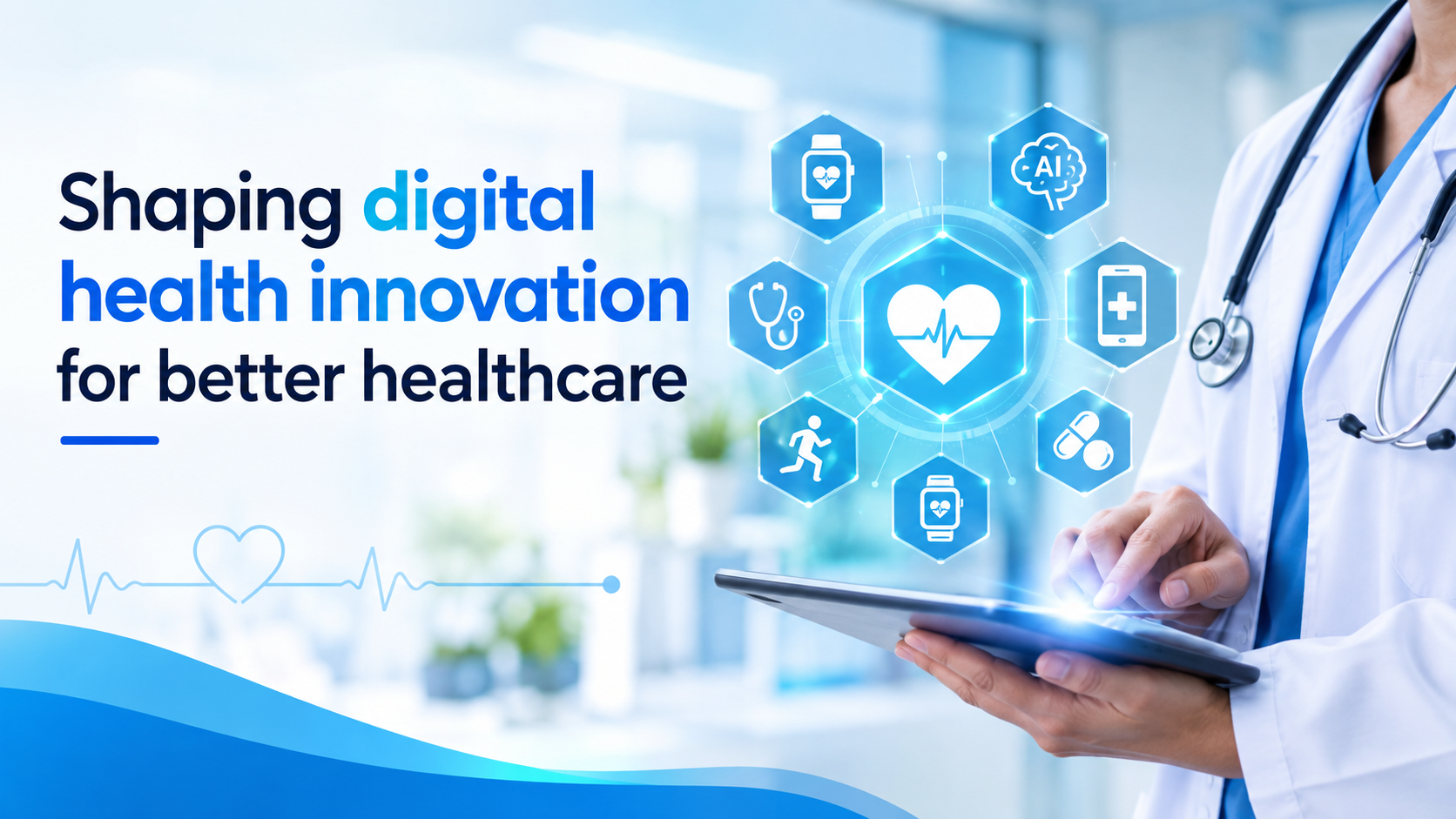
Digital health technology combines medicine, data, and software to improve health care delivery, personal well-being, and population outcomes. It is not a single device or app; it is an ecosystem of connected tools, platforms, and services that enable remote care, real-time monitoring, and data-driven decisions. In practice, digital health tech can range from telemedicine portals and wearable sensors to AI-powered diagnostics and digital therapeutics. The result is often more convenient access, better outcomes, and, ideally, more efficient health systems.

What qualifies as digital health technology?
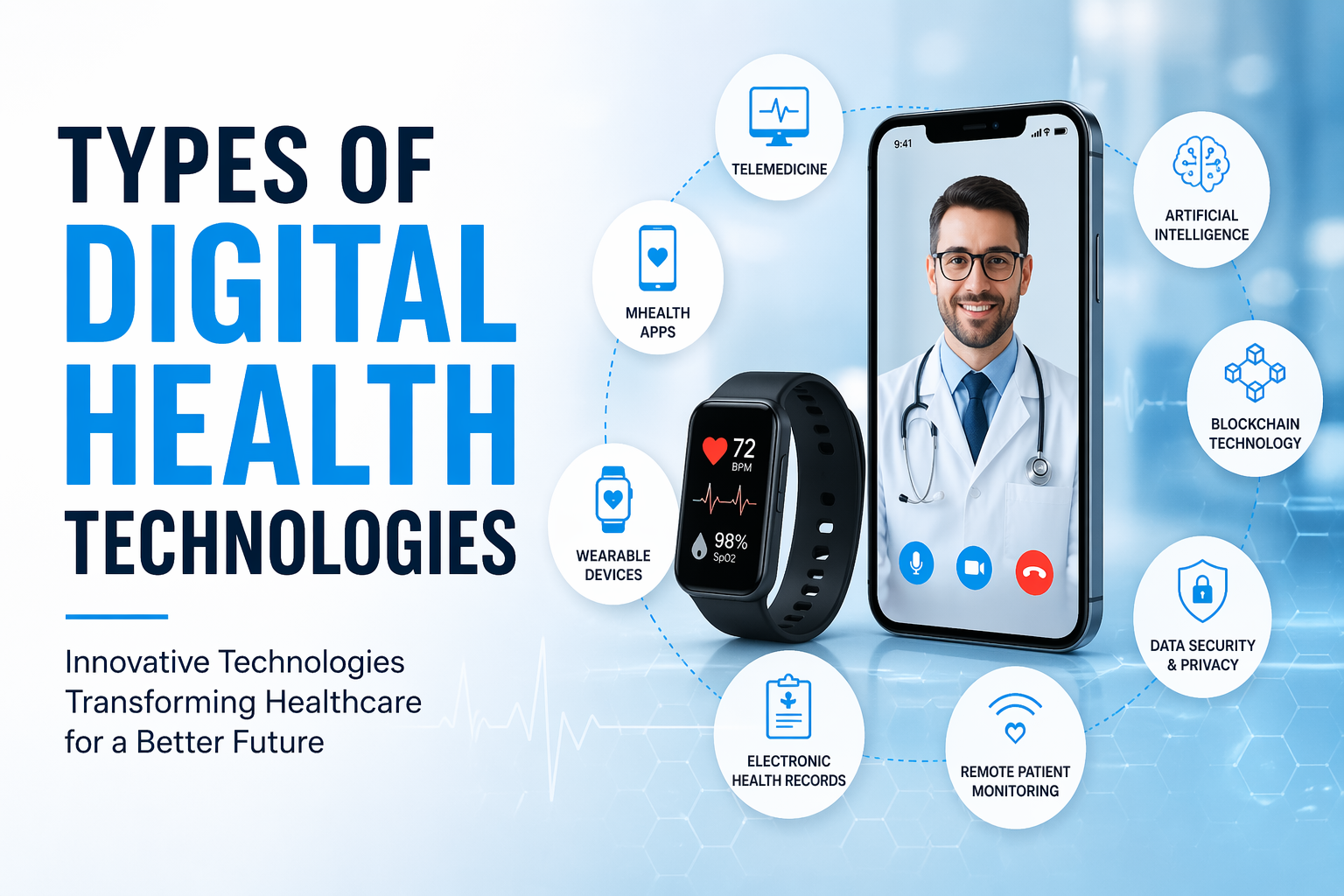
- Telehealth platforms that enable video or chat consultations, triage, and remote prescriptions.
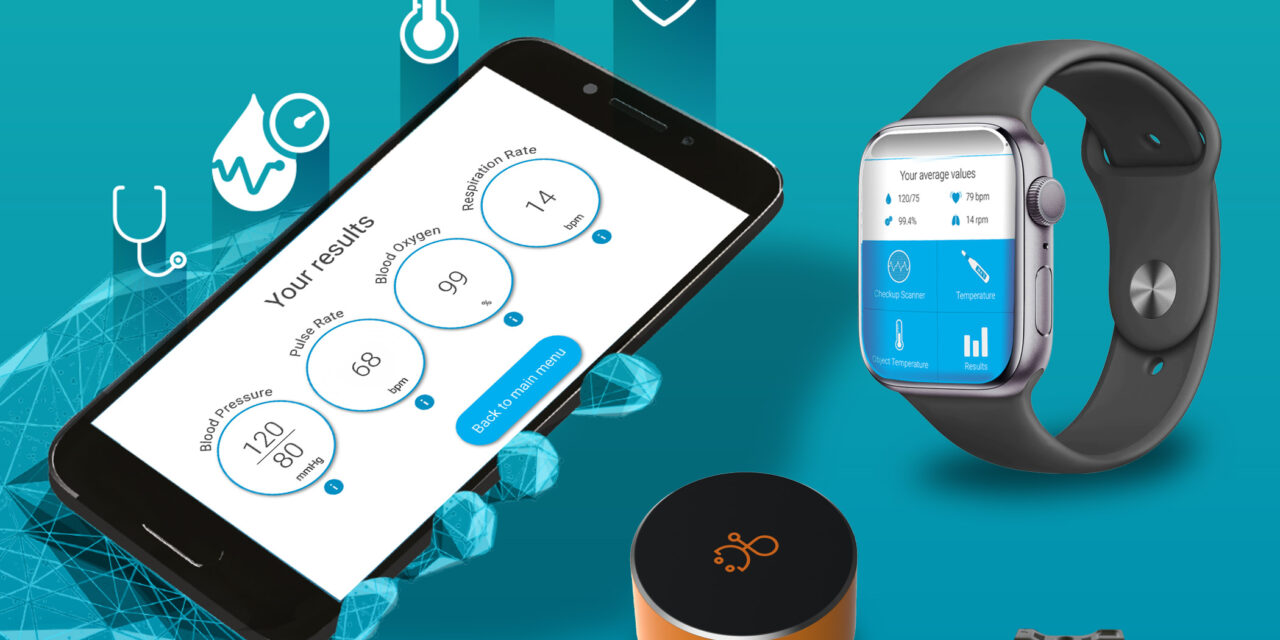
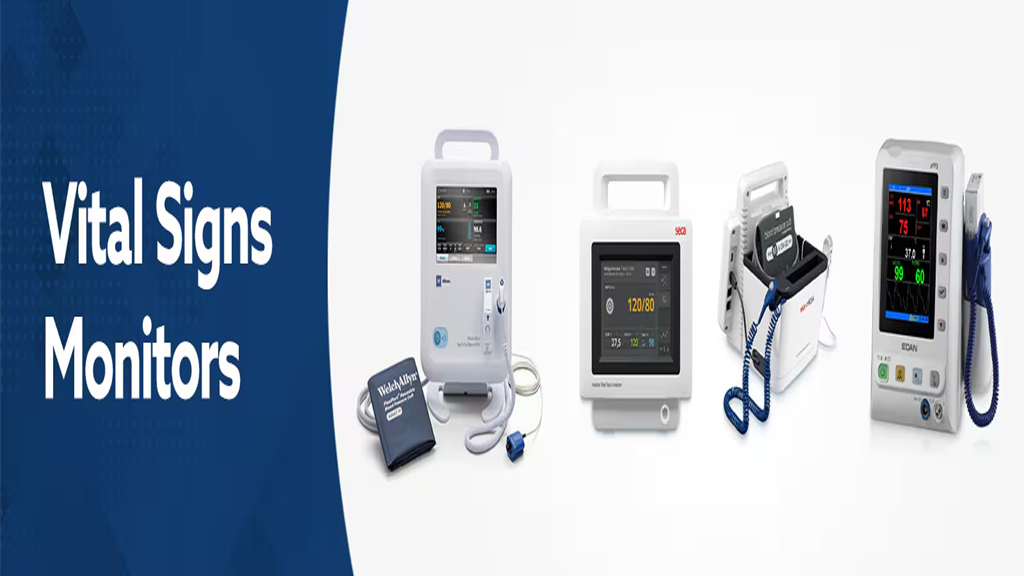
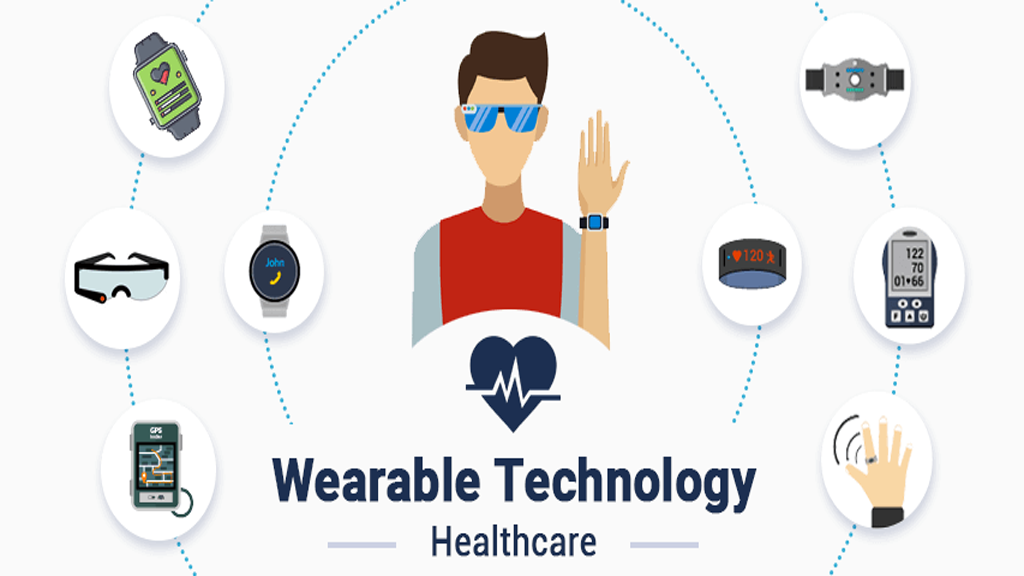
- Wearables and sensors that continuously collect physiological data (heart rate, glucose levels, activity).
- Mobile health apps that track behavior, symptoms, and medications, sometimes linking to clinician records.
- Digital therapeutics and software as a medical device (SaMD) that deliver therapeutic interventions.
- AI-powered analytics and decision-support tools are used by clinicians to interpret data, manage risk, or personalize care.
- Digital care coordination tools that align patients, caregivers, and providers across settings.
These components are typically integrated with electronic health records (EHRs) and cloud-based data platforms, creating a continuously learning loop: data informs care, care informs data, and improvements propagate through the system.
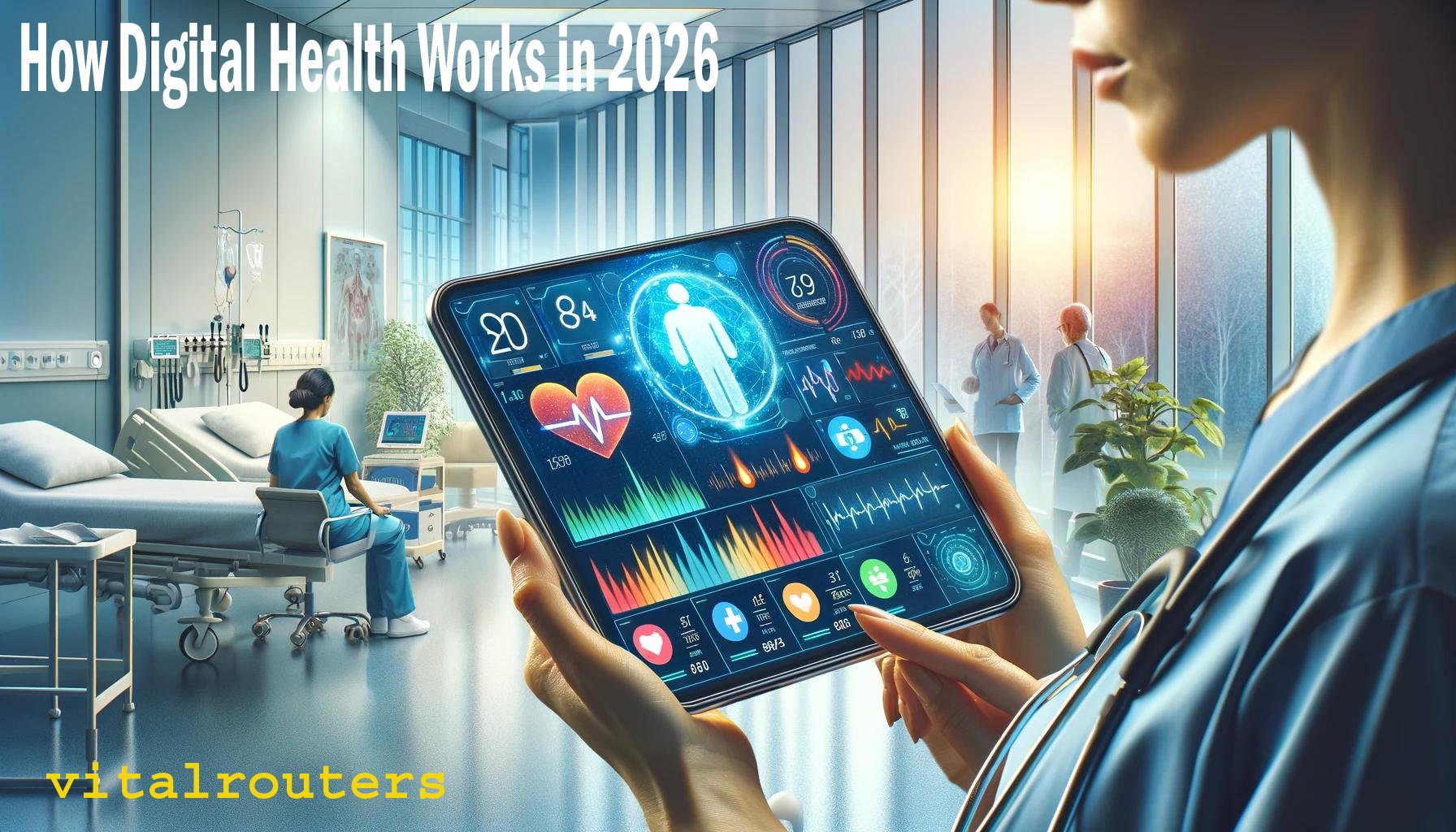
How digital health tech works in practice
- Data is collected from patients, devices, and services, often in real time.
- This data is aggregated, normalized, and analyzed by software, sometimes augmented with AI or machine learning.
- Clinicians review insights, trigger interventions, or adjust treatment plans accordingly.
- Patients receive feedback, coaching, or remote monitoring, which can reduce unnecessary in-person visits.
- Outcomes are measured, reported back into the system, and used to refine algorithms and care pathways.
This cycle can occur inside a hospital, in a clinician’s office, or in a patient’s home. When done well, it reduces friction, lowers costs, and empowers individuals to participate more actively in their own health.
Expert insight: why EEAT matters in digital health tech
- Expertise: Leading clinicians emphasize that digital health is only as good as its clinical grounding. Tools should be developed with medical input, validated in real-world settings, and aligned with accepted care guidelines.
- Authoritativeness: Reputable organizations publish peer-reviewed research, publish safety notices, and participate in regulatory processes. A credible digital health solution often demonstrates evidence of effectiveness across diverse populations.
- Trust: Data privacy, clear consent, and transparent risk disclosures foster trust. Patients should know what data is collected, how it’s used, and who can access it.
- Experience: Users—patients, caregivers, and providers—should find the technology usable, accessible, and supportive rather than burdensome.
In practice, the best digital health products blend clinical rigor with user-centered design, comply with privacy and safety standards, and show measurable improvements in outcomes or access.

Vitalrouters
Real-life examples and case studies
- Case Study: Omada Health’s digital diabetes prevention program
- What happened: Participants engaged in an evidence-based program that combines online coaching, behavior modification, and connected devices.
- Why it matters: When scaled, the program reached populations with limited access to in-person services, supporting weight management and glucose control.
- Takeaway: Digital coaching, when connected to real-time data, can sustain behavior change at scale and reach underserved communities.
- Case Study: Propeller Health and inhaler sensors for asthma/COPD
- What happened: Sensor-enabled inhalers transmitted usage data to clinicians and patients, enabling proactive management.
- Why it matters: Improved adherence and timely interventions reduced exacerbations in some users.
- Takeaway: Remote monitoring and feedback loops can shift care from reactive to proactive, especially for chronic diseases.
- Case Study: Pear Therapeutics and FDA-cleared digital therapeutics
- What happened: Digital therapeutics like reSET-O received regulatory clearance as medical interventions for opioid use disorder, with prescribed, evidence-based digital programs.
- Why it matters: Regulatory validation provides a framework for safety, efficacy, and integration into standard care.
- Takeaway: Software-driven therapies can complement medications and behavioral therapies when properly validated and monitored.
- Case Study: Telehealth expansion during the COVID-19 era
- What happened: Virtual visits surged, enabling continuity of care despite physical distancing.
- Why it matters: Access was broadened for rural and immunocompromised patients, though workflow and reimbursement models required adaptation.
- Takeaway: Rapid scale can reveal both demand and pain points, driving lasting changes in care delivery.
Benefits and opportunities
- Accessibility: Care reaches patients who previously faced geographic, mobility, or time barriers.
- Personalization: Data-enabled insights support tailored interventions, improving relevance and engagement.
- Efficiency: Remote monitoring can reduce hospital visits, wait times, and duplicate testing.
- Population health: Aggregated data helps identify trends, allocate resources, and target public health interventions.
- Innovation: The ecosystem invites new partnerships across tech, life sciences, and care delivery.
Challenges and considerations
- Privacy and security: Protecting sensitive health data across devices, apps, and clouds is essential.
- Bias and fairness: Algorithms can reflect biases in training data, leading to unequal outcomes if not carefully managed.
- Usability and digital divide: Not all patients have equal access to devices, connectivity, or digital literacy.
- Evidence and regulation: Robust, real-world evidence is needed to justify adoption; regulatory pathways vary by country.
- Integration with care teams: Interoperability with EHRs and clinical workflows is critical to avoid fragmentation.
- Dependency and patient autonomy: Balance digital tools with human-centered care to prevent over-reliance on technology.
The future of digital health tech
- AI-driven insights: More sophisticated predictive analytics can forecast risks and personalize interventions at population and individual levels.
- Deeper interoperability: Standardized data formats and APIs will enable smoother data exchange and coordinated care.
- Digital therapeutics mainstreaming: Regulatory clarity and payer acceptance may expand the adoption of software-based treatments.
- Remote monitoring normalization: Wearables and home sensors will become integral to chronic disease management and preventive care.
- Ethical frameworks: Practical guidelines for consent, data governance, and algorithm transparency will gain prominence.
Practical tips for readers and practitioners
- For patients: Seek tools that complement, not replace, your clinician; prioritize privacy settings; monitor how data is used and who accesses it.
- For clinicians: Start with interoperable tools that fit existing workflows; demand evidence of effectiveness; involve patients in design decisions.
- For employers and payers: Invest in digital health that demonstrates real value in outcomes and cost savings; pilot with clear metrics and scale thoughtfully.
- For developers: Build with clinical collaborators, validate in diverse populations, and ensure accessibility across devices and literacy levels.
Conclusion
Digital health technology is not a single gadget; it is a plural, dynamic system that connects data, care, and people. It holds the promise of broader access, more personalized care, and better health outcomes when built on solid evidence, robust privacy protections, and thoughtful implementation. By embracing expert insights, learning from real-world case studies, and continuously testing in diverse settings, health systems can harness digital health tech to transform care, today and tomorrow.
If you’re evaluating a digital health solution, ask about clinical validation, interoperability, patient engagement, and data governance. With careful adoption, the future of health care becomes more reachable, more responsive, and more human-centered—while remaining rigorously safe and trustworthy.




One Comment