Introduction
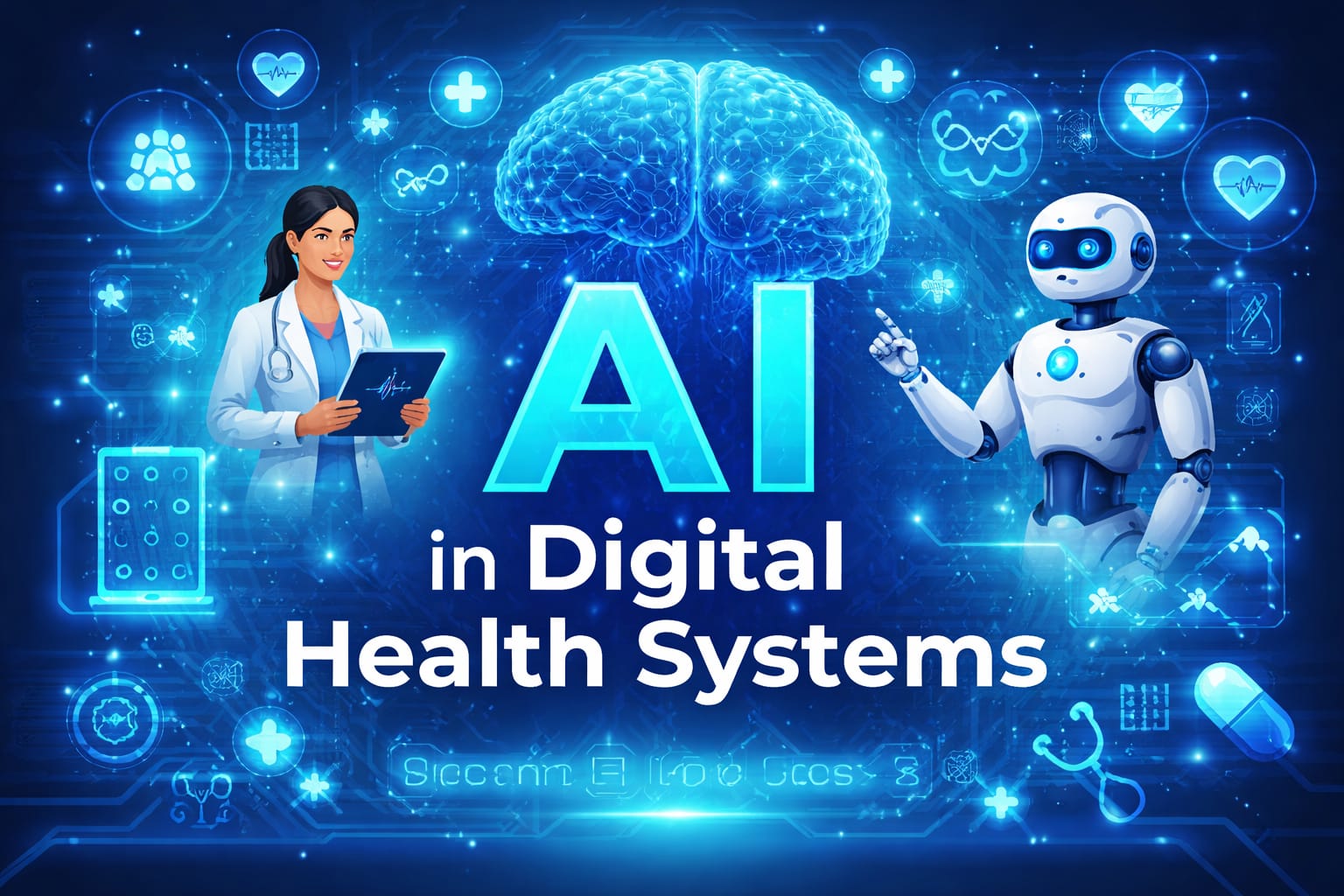
Artificial intelligence is rapidly transforming healthcare. Today, many hospitals and health platforms rely on smart systems to improve patient outcomes. In fact, how AI is used in digital health systems is now one of the most important topics in modern medicine.
From early disease detection to personalized treatment, AI is helping doctors make faster and better decisions. Moreover, patients can now monitor their health in real time using intelligent tools. This article explains how AI works in digital health, its benefits, and how it is shaping the future.
What Is AI in Digital Health Systems?
AI in digital health systems refers to the use of machine learning, algorithms, and data analysis to improve healthcare services. These systems collect and process large amounts of health data.

Key Components:
- Machine learning models
- Health data analytics
- Predictive algorithms
- Natural language processing (NLP)
For example, AI can analyze patient records and detect patterns that humans may miss. Therefore, it helps in faster diagnosis and better treatment planning.
How AI Is Used in Digital Health Systems
Understanding how AI is used in digital health systems requires looking at its main applications.
1. Disease Diagnosis
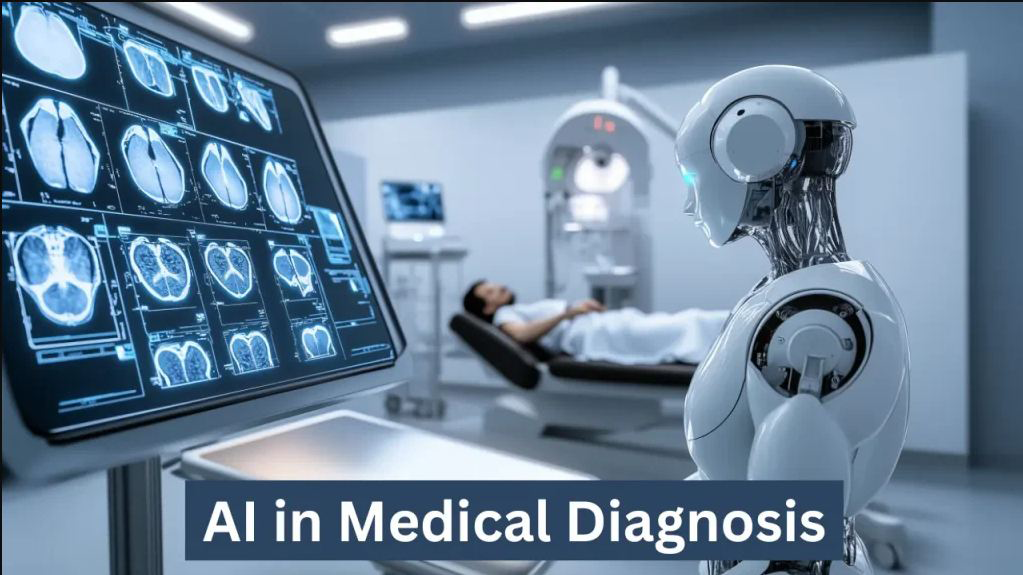
AI tools can analyze medical images such as X-rays and MRIs. As a result, doctors can detect diseases like cancer at early stages.
2. Predictive Healthcare
AI predicts future health risks based on patient data. For instance:
- Risk of heart disease
- Diabetes progression
- Mental health conditions
3. Personalized Treatment
AI creates customized treatment plans. It considers:
- Patient history
- Genetic data
- Lifestyle habits
4. Virtual Health Assistants
Chatbots and AI assistants provide 24/7 support. They can:
- Answer health questions
- Remind patients to take medicine
- Track symptoms
5. Remote Monitoring
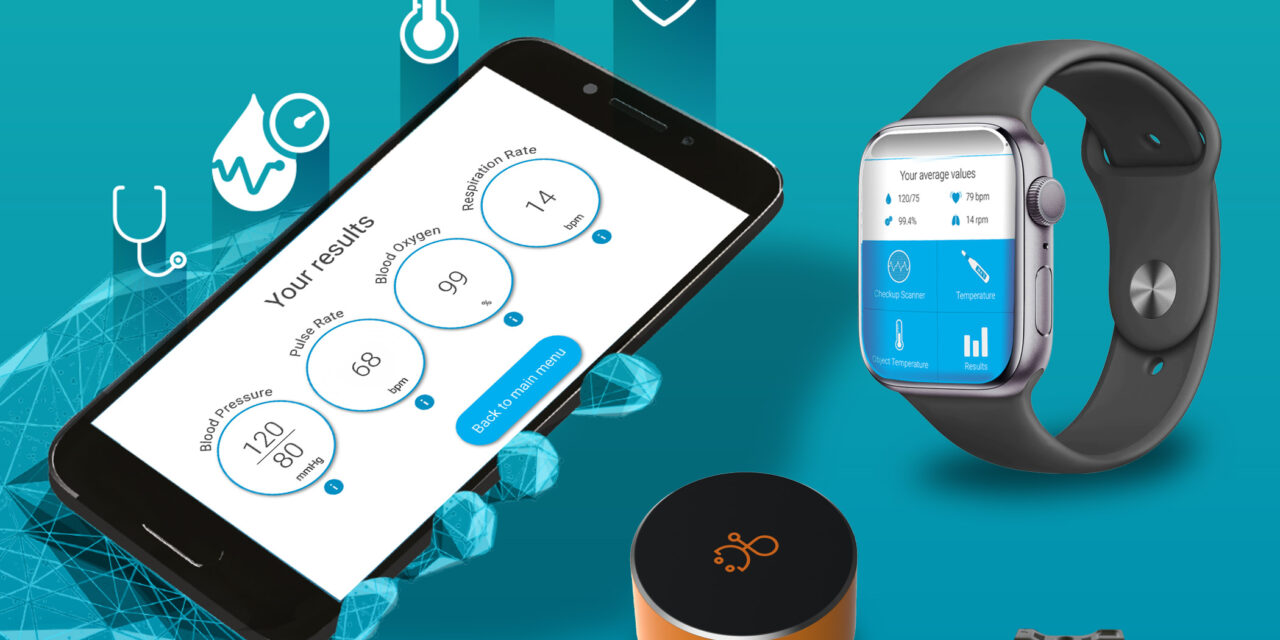
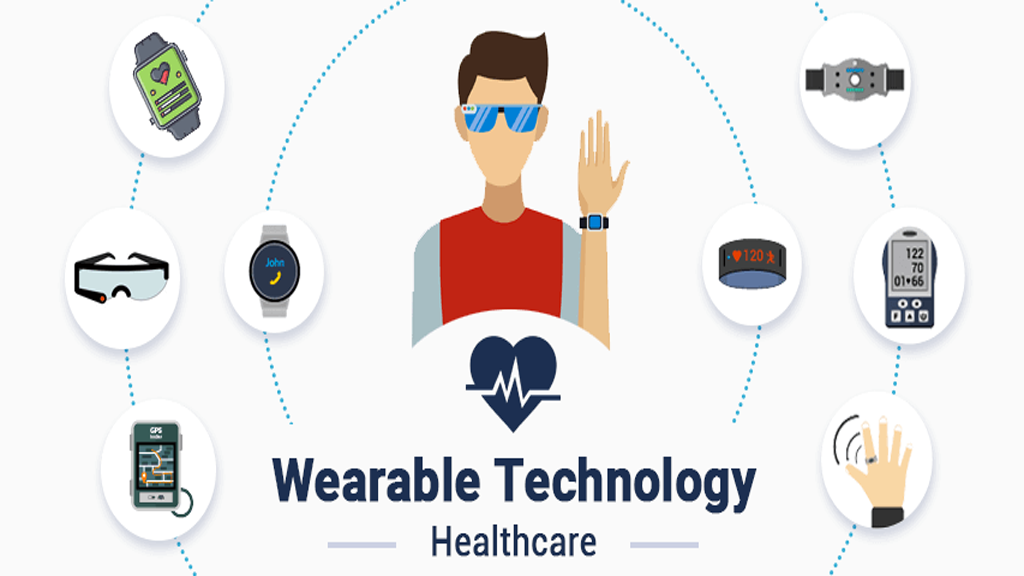
Wearable devices use AI to track:
- Heart rate
- Sleep patterns
- Physical activity
This allows doctors to monitor patients remotely.
Benefits of AI in Digital Health
AI offers several advantages that improve healthcare quality.
Key Benefits:
- Faster diagnosis: Reduces waiting time
- Improved accuracy: Minimizes human error
- Cost efficiency: Saves hospital resources
- Better patient care: Enables personalized treatment
Moreover, AI helps doctors focus more on patient interaction rather than administrative tasks.
Step-by-Step: How AI Works in Healthcare Systems
Here is a simple breakdown of how AI operates:
- Data Collection
Health data is gathered from devices, records, and apps - Data Processing
AI cleans and organizes the data - Pattern Recognition
Algorithms identify trends and abnormalities - Prediction & Insights
AI provides recommendations or alerts - Decision Support
Doctors use AI insights to make informed decisions
Therefore, AI acts as a powerful assistant rather than replacing healthcare professionals.
Tips for Using AI in Digital Health
To maximize AI benefits, follow these best practices:
- Use reliable and secure health platforms
- Ensure data privacy and compliance
- Combine AI insights with human expertise
- Regularly update AI systems
- Train healthcare staff properly
Common Mistakes to Avoid
Despite its advantages, there are common errors in using AI:
- Over-reliance on AI: Ignoring human judgment
- Poor data quality: Leads to inaccurate results
- Lack of transparency: Patients may not trust AI decisions
- Ignoring privacy laws: Can cause legal issues
However, these challenges can be managed with proper implementation.
Case Study: AI in Early Disease Detection
A hospital in the United States used AI to detect lung cancer early. The system analyzed CT scans and identified small abnormalities.
Results:
- Detection rate improved by 20%
- Diagnosis time reduced significantly
- Patient survival rates increased
This shows how AI can save lives when used correctly.
2026 Data Insights and Trends
Recent surveys highlight the growth of AI in healthcare:
- Over 70% of hospitals now use AI tools
- AI-based diagnosis accuracy has improved by 30%
- The global digital health market is expected to exceed $500 billion by 2026
Moreover, AI adoption is increasing in developing countries as well.
FAQs
1. How is AI used in digital health systems?
AI is used for diagnosis, predictive analysis, personalized treatment, and remote patient monitoring.
2. Can AI replace doctors?
No, AI supports doctors but does not replace human expertise.
3. Is AI in healthcare safe?
Yes, when combined with proper data security and regulations, AI is safe and effective.
4. What are examples of AI in healthcare?
Examples include chatbots, wearable health trackers, and diagnostic tools.
5. Why is AI important in digital health?
AI improves accuracy, reduces costs, and enhances patient care.
Conclusion
Artificial intelligence is changing healthcare in powerful ways. Understanding how AI is used in digital health systems helps us see its true potential.
From faster diagnosis to personalized care, AI is making healthcare smarter and more efficient. However, it must be used responsibly with proper data protection.
👉 If you want to stay ahead in digital health, start exploring AI-powered tools today and optimize your health using technology.
References
- World Health Organization (WHO) – Digital Health Reports
- National Institutes of Health (NIH) – AI in Healthcare
- McKinsey & Company – AI in Healthcare Insights
- Harvard Medical School – AI Research Studies
- Statista – Digital Health Market Data








2 Comments