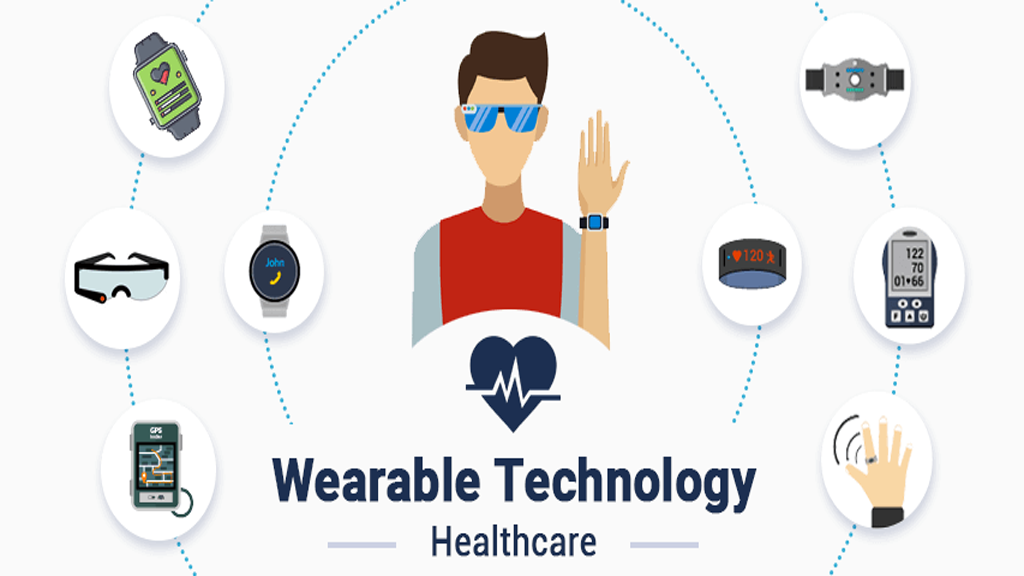
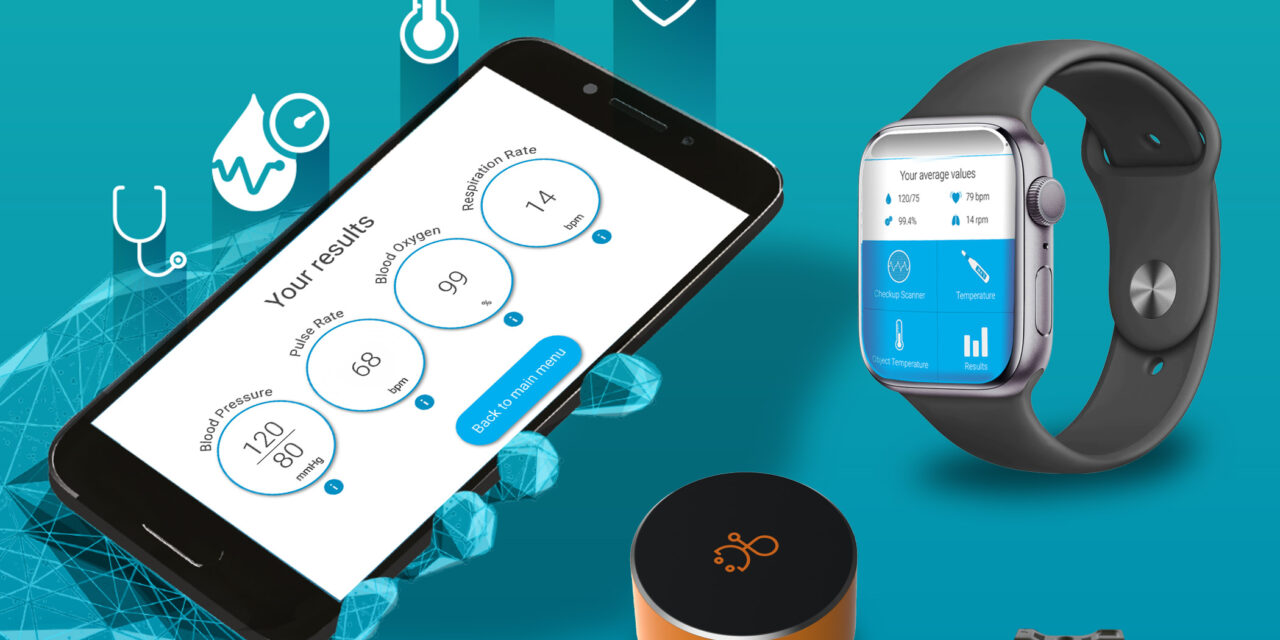
How wearable devices track health: they use sensors (like heart rate, motion, and oxygen sensors) to collect body data, process it with algorithms or AI, and display insights in mobile apps. These devices monitor fitness, sleep, and vital signs in real time.
Introduction
Have you ever wondered how wearable devices track health so accurately? From smartwatches to fitness bands, these small gadgets collect powerful data about your body.
Today, millions of people rely on wearable technology to monitor heart rate, sleep, and activity levels. Moreover, these devices are becoming smarter with AI and real-time analytics. Therefore, understanding how they work can help you use them more effectively.
What do wearable devices track for health?
How wearable devices track health refers to the process of collecting and analyzing biometric data using sensors embedded in wearable technology.
Devices like smartwatches and fitness trackers gather data and send it to apps for analysis. According to the World Health Organization, wearable tech plays a key role in preventive healthcare and monitoring.
In simple terms, these devices turn your body signals into useful health insights.
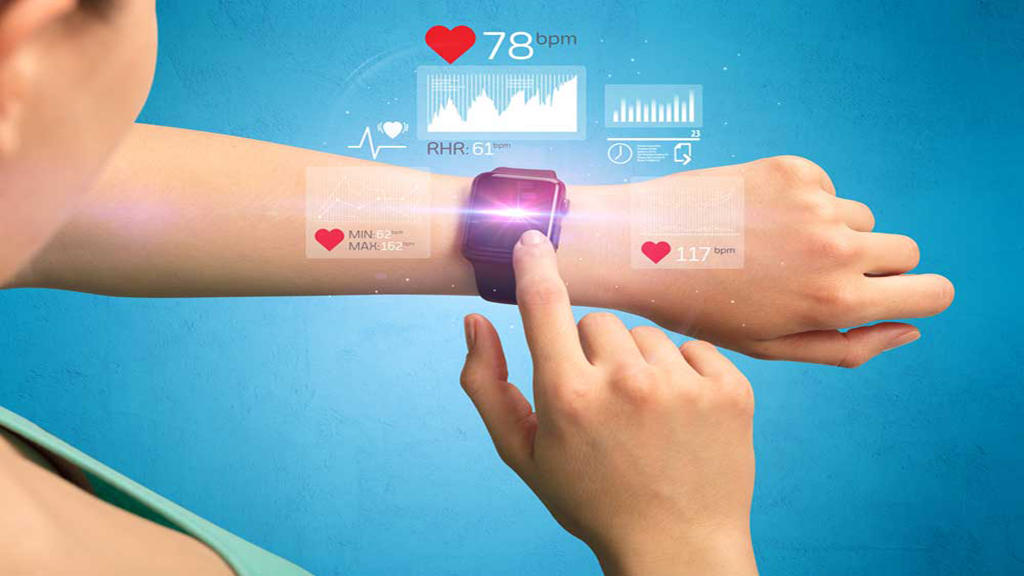
Benefits / Importance of Wearable Health Tracking
Wearable devices offer many advantages. As a result, they are widely used in both personal and clinical settings.
Key Benefits:
- ✅ Real-time health monitoring
- ✅ Early detection of health issues
- ✅ Improved fitness tracking
- ✅ Better sleep analysis
- ✅ Increased health awareness
Moreover, they help users take control of their health daily.
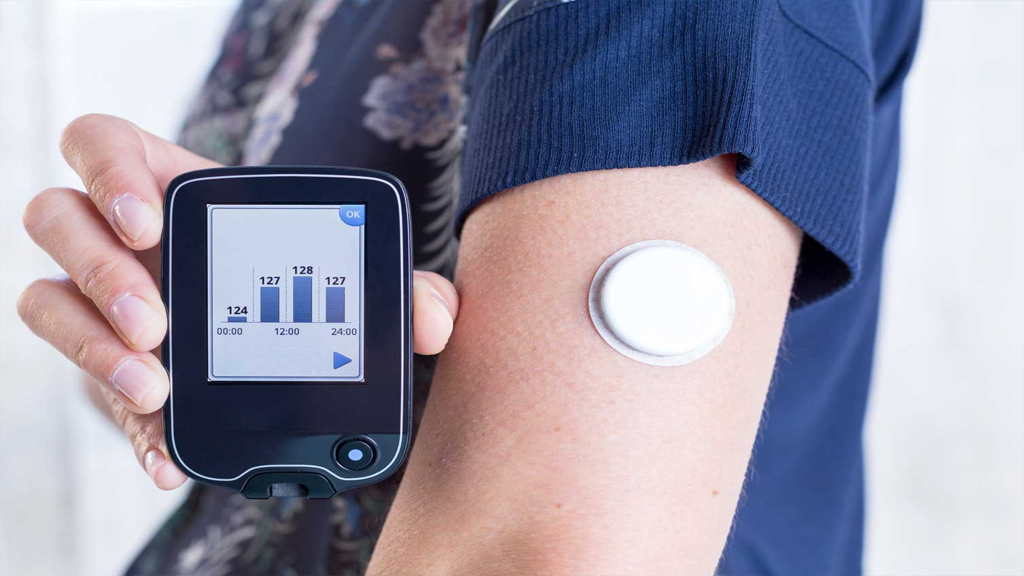
How Wearable Devices Track Health (Step-by-Step)
1. Sensors Collect Data
Wearables use built-in sensors to measure body signals.
Common Sensors:
- Heart rate sensors (optical sensors)
- Accelerometers (movement tracking)
- Gyroscopes (orientation tracking)
- SpO2 sensors (oxygen levels)
These sensors continuously collect raw data from your body.
2. Data Processing with Algorithms
The collected data is processed using algorithms.
- Filters noise from raw data
- Converts signals into readable metrics
- Detects patterns like steps, calories, and sleep cycles
Some devices use AI for deeper analysis.
3. Data Transmission to Apps
Wearables send data to smartphones via Bluetooth.
- Syncs with mobile apps
- Stores historical data
- Provides visual reports
Therefore, users can track progress over time.
4. Insights and Recommendations
Apps analyze the data and provide insights.
- Daily activity goals
- Sleep quality reports
- Health alerts
Devices like those from Apple and Fitbit offer personalized recommendations.
5. Continuous Monitoring
Wearables track health 24/7.
- Heart rate monitoring
- Stress tracking
- Activity tracking
As a result, users get real-time updates on their health.
Tips / Best Practices
To get the most from wearable devices:
- Wear the device correctly for accurate data
- Sync data regularly with your app
- Keep software updated
- Use insights, not just numbers
- Combine wearable data with medical advice
Moreover, consistency improves accuracy over time.
Common Mistakes to Avoid
- Wearing the device too loosely
- Ignoring calibration settings
- Over-relying on data without medical consultation
- Not updating firmware
- Misinterpreting health metrics
However, proper usage can avoid these issues.
Case Study: Real-Life Example
A study supported by the National Institutes of Health examined wearable use in heart monitoring.
Results:
- Early detection of irregular heart rhythms
- Improved patient awareness
- Reduced hospital visits
This shows how wearable devices can support preventive healthcare.
2026 Survey & Data Insights
According to Statista:
- 📊 Over 1 billion wearable devices are in use globally
- 📊 60% of users rely on wearables for daily health tracking
- 📊 Health monitoring is the top use case
Therefore, wearable technology is rapidly growing in importance.
FAQs
How do wearable devices track health?
They use sensors to collect body data, process it with algorithms, and provide insights through mobile apps.
Are wearable devices accurate?
Most devices are accurate for general tracking but may vary in medical precision.
What health metrics do wearables track?
They track heart rate, steps, calories, sleep, oxygen levels, and sometimes ECG.
Do wearable devices use AI?
Yes, many devices use AI to analyze patterns and provide personalized recommendations.
Can wearable devices detect diseases?
They can help detect early signs but should not replace professional diagnosis.
References
- World Health Organization
- Statista
- National Institutes of Health
- McKinsey & Company
Conclusion
Understanding how wearable devices track health helps you use them more effectively. These devices collect data, analyze it, and provide real-time insights that improve your health and lifestyle.
However, they should be used as supportive tools, not replacements for medical professionals.





One Comment