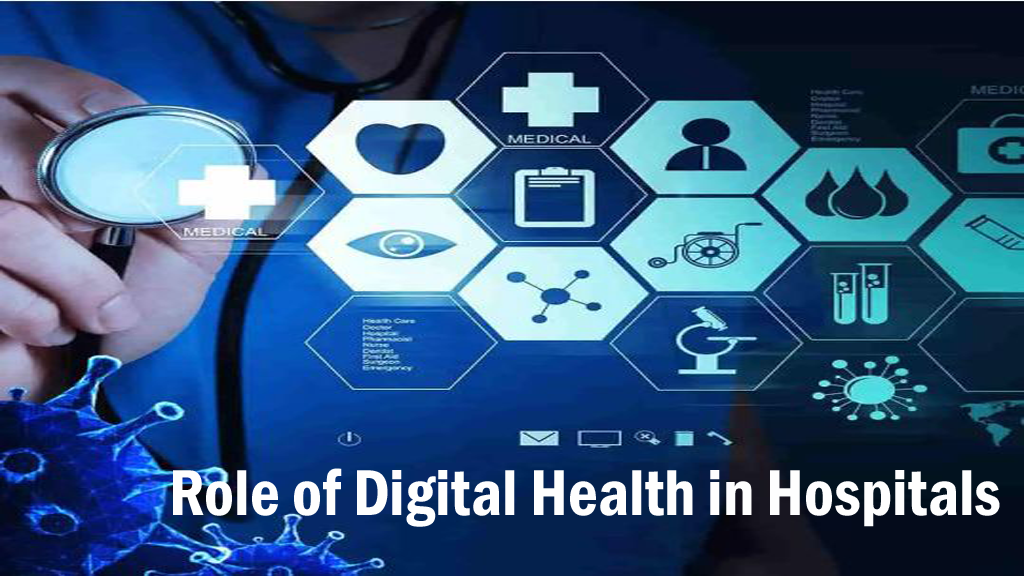
The role of digital health in hospitals is to improve patient care, streamline operations, and enable real-time decision-making using technologies like AI, telemedicine, electronic health records, and remote monitoring.
Introduction
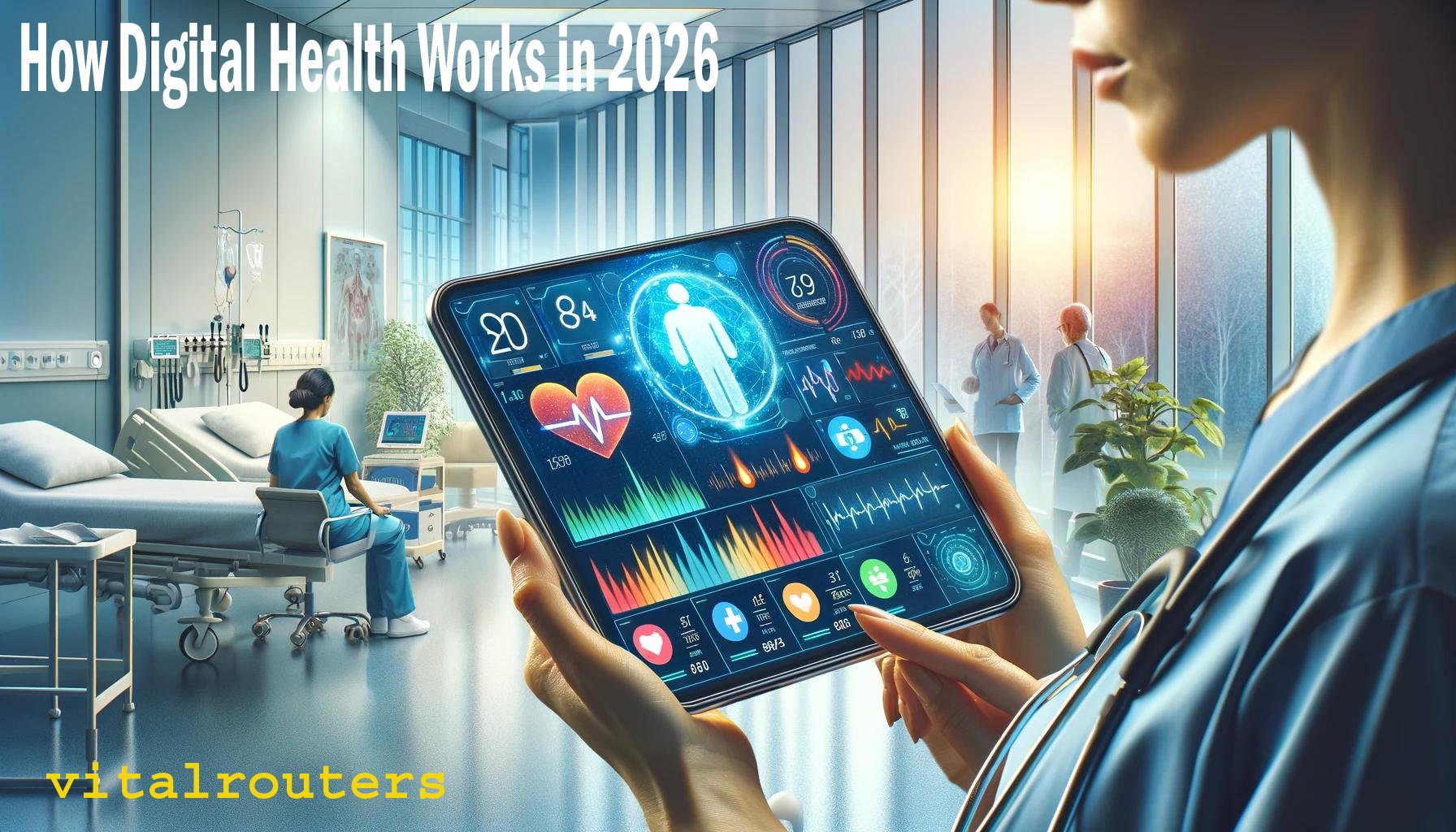
The role of digital health in hospitals has evolved rapidly, becoming a core pillar of modern healthcare systems in 2026. Hospitals are no longer relying solely on traditional processes; instead, they are integrating advanced technologies such as artificial intelligence (AI), telemedicine, and electronic health records (EHR) to improve patient outcomes, streamline operations, and reduce costs.
Digital health is transforming hospitals into smart, data-driven ecosystems where decision-making is faster, care is more personalized, and efficiency is significantly enhanced.
What is Digital Health?
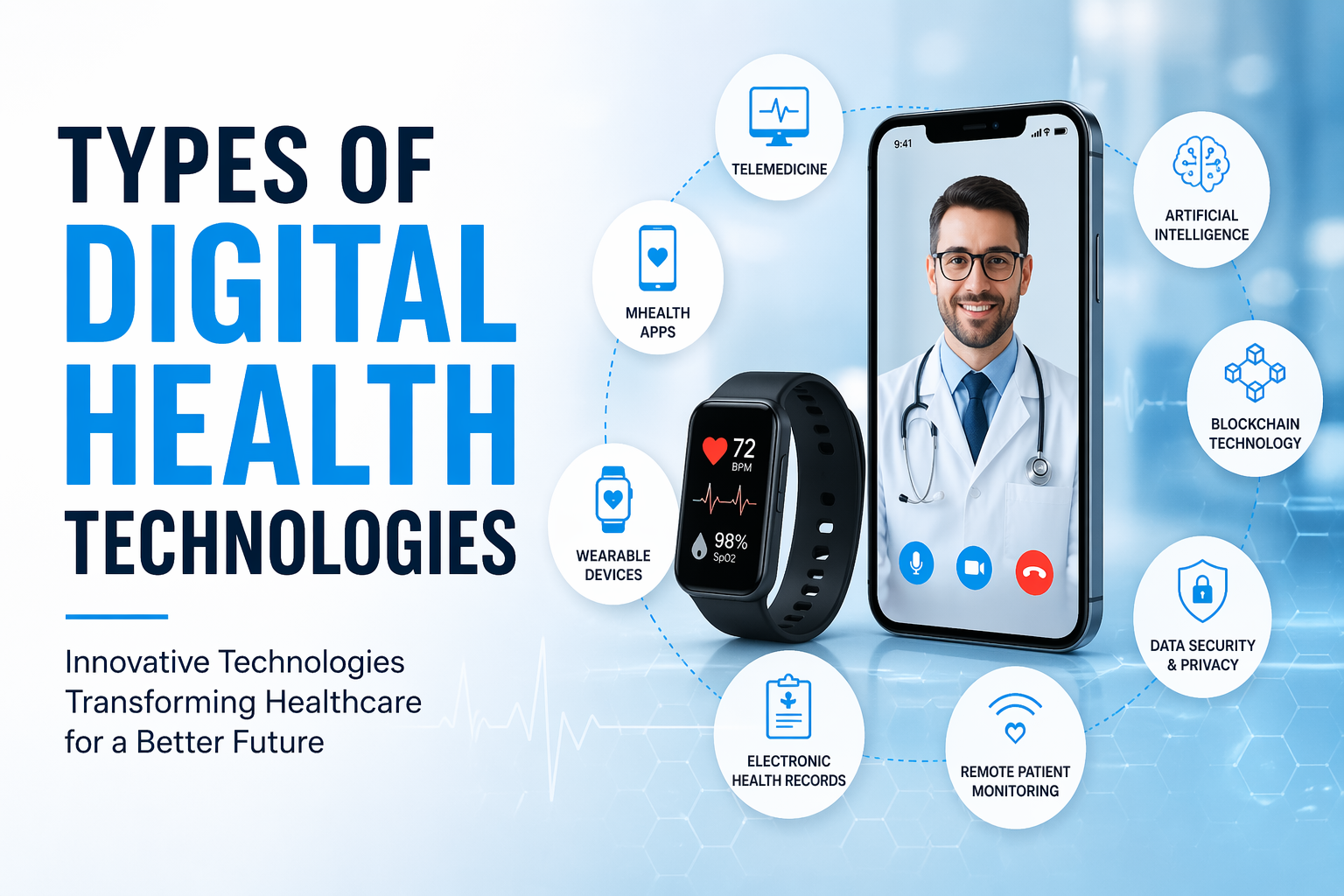
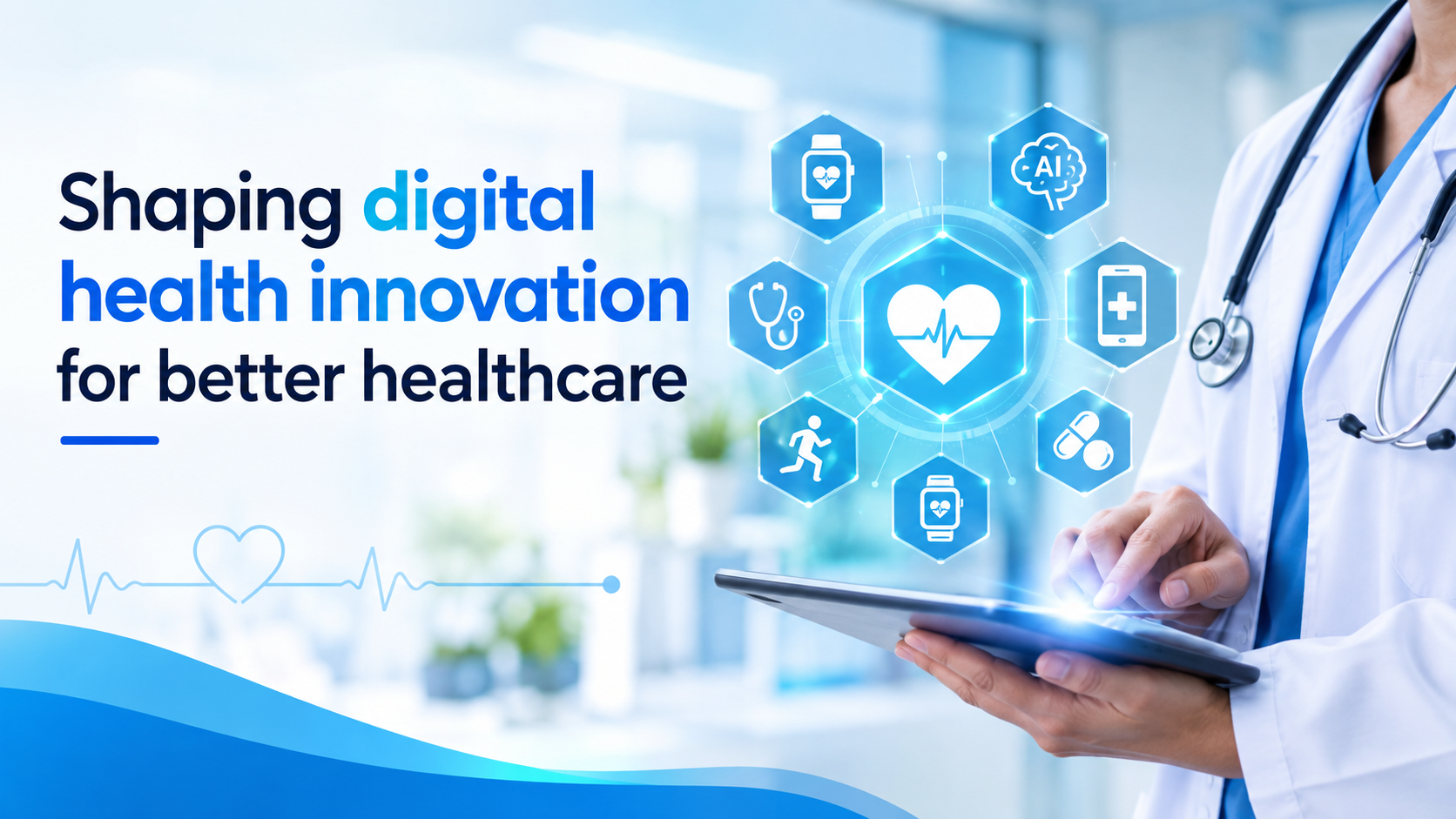
Digital health refers to the use of technology, data, and digital tools to improve healthcare delivery. It includes a wide range of innovations such as:
- Telemedicine platforms
- Electronic Health Records (EHR)
- Wearable health devices
- AI-powered diagnostics
- Mobile health (mHealth) applications
In hospitals, digital health acts as the foundation for modern patient care and operational management.
Importance of Digital Health in Hospitals
Digital health plays a critical role in helping hospitals:
- Deliver faster and more accurate diagnoses
- Improve patient engagement and satisfaction
- Reduce operational inefficiencies
- Enable real-time data sharing across departments
In 2026, hospitals adopting digital health technologies are seeing significant improvements in both clinical outcomes and financial performance.
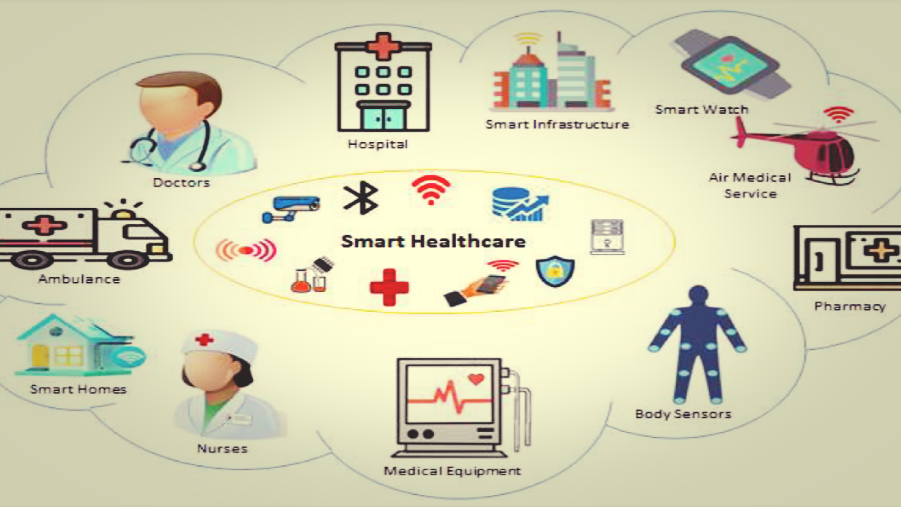
Key Technologies Driving Digital Health in Hospitals
1. Artificial Intelligence (AI)
AI is revolutionizing hospital systems by enabling:
- Early disease detection
- Predictive analytics for patient outcomes
- Automated workflows
For example, AI tools can analyze medical images with high accuracy, assisting doctors in diagnosing conditions like cancer at an early stage.
2. Telemedicine
Telemedicine allows patients to consult doctors remotely, reducing the need for physical visits. Hospitals benefit by:
- Expanding patient reach
- Reducing overcrowding
- Providing 24/7 healthcare access
This technology became essential during global health crises and continues to grow in 2026.
3. Internet of Things (IoT) in Healthcare
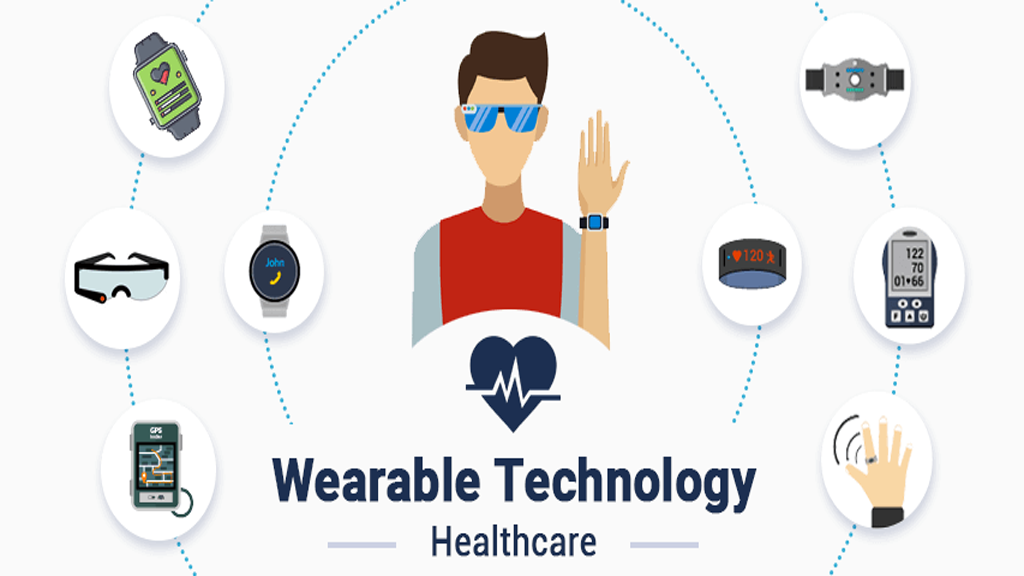
IoT devices, such as wearable monitors and smart medical equipment, enable:
- Real-time patient monitoring
- Continuous data collection
- Faster emergency response
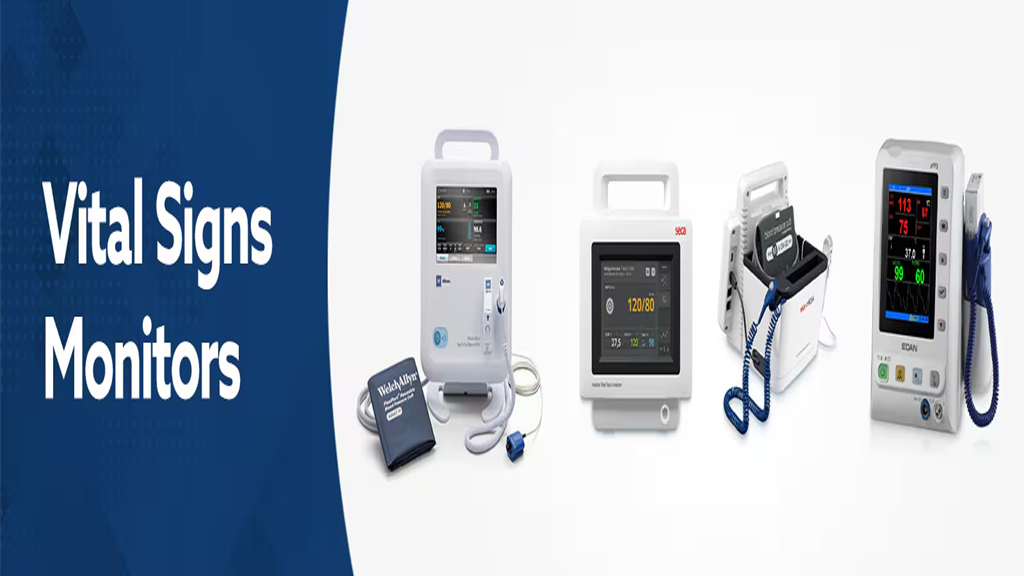
Hospitals use IoT to track vital signs and improve patient safety.
4. Electronic Health Records (EHR)
EHR systems digitize patient records, making them easily accessible and secure. Benefits include:
- Improved data accuracy
- Faster decision-making
- Seamless communication between healthcare providers
EHRs eliminate paperwork and ensure that patient history is always available when needed.
Benefits of Digital Health in Hospitals
✅ Improved Patient Care
Digital tools provide real-time insights, allowing doctors to make better clinical decisions.
✅ Enhanced Efficiency
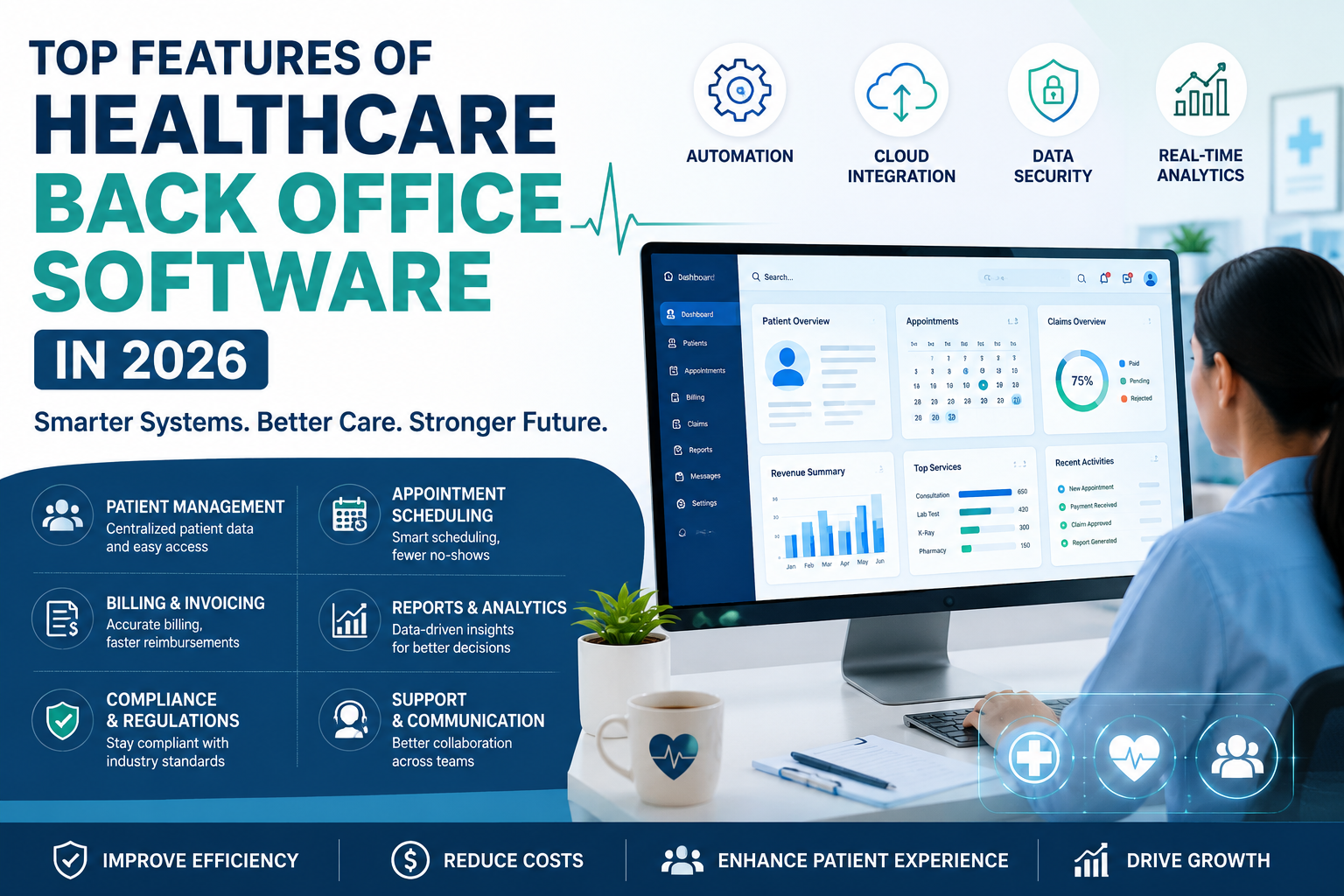
Automation reduces administrative workload, saving time and resources.
✅ Cost Reduction
Hospitals can minimize unnecessary tests, reduce hospital stays, and optimize resource usage.
✅ Better Data Management
Digital systems ensure secure and organized patient data storage.
✅ Remote Monitoring
Patients can be monitored from home, reducing hospital visits and improving convenience.
Challenges of Digital Health in Hospitals
Despite its advantages, digital health also presents challenges:
- Data Privacy and Security Risks
- High Implementation Costs
- Integration with Existing Systems
- Need for Staff Training
Hospitals must address these issues to fully benefit from digital transformation.
Smart Hospitals in 2026
In 2026, hospitals are evolving into smart hospitals, where:
- AI manages patient flow
- IoT devices track patient health in real-time
- Automation handles routine tasks
These smart systems improve efficiency and ensure personalized patient care at scale.
Real-Life Examples of Digital Health in Hospitals
- Remote ICU monitoring systems
- AI-powered radiology tools
- Digital patient portals for appointment management
- Wearable devices for chronic disease tracking
These examples show how digital health is already transforming hospital operations worldwide.
Future of Digital Health in Hospitals
The future of digital health includes:
- Advanced AI-driven diagnostics
- Blockchain for secure medical data
- Personalized medicine using big data
- Fully automated hospital workflows
Hospitals that embrace these innovations will remain competitive and deliver superior patient care.
What is the Role of Digital Health in Hospitals?
Digital health in hospitals refers to the use of technologies like AI, telemedicine, and electronic health records to improve patient care, streamline operations, and enable data-driven decision-making.
Conclusion
The role of digital health in hospitals is more important than ever in 2026. It is not just a technological upgrade but a complete transformation of how healthcare is delivered.
By adopting digital health solutions, hospitals can improve patient outcomes, enhance efficiency, and prepare for the future of healthcare. As technology continues to evolve, digital health will remain at the center of innovation in hospitals worldwide.
FAQs
1. Why is digital health important in hospitals?
Digital health improves patient care, increases efficiency, and reduces healthcare costs.
2. What technologies are used in digital health?
AI, telemedicine, IoT devices, EHR systems, and mobile health apps are commonly used.
3. What are smart hospitals?
Smart hospitals use advanced technologies like AI and IoT to automate processes and improve patient care.
4. What are the challenges of digital health?
Key challenges include data security, high costs, and system integration issues.



One Comment