
Artificial Intelligence (AI) has become one of the most powerful forces shaping human health. By 2026, AI’s role in keeping people healthy is no longer a distant dream—it’s an everyday reality. From wearable devices that detect early signs of disease to personalized diet plans created by smart algorithms, AI helps in maintaining good health in ways that were unimaginable a decade ago.
What Is AI’s Role in Health Maintenance?
AI in healthcare refers to the use of machine learning, data science, and automation to analyze health data, predict outcomes, and provide personalized recommendations. In 2026, these systems have evolved to integrate with daily life—monitoring heart rates, analyzing nutrition, detecting stress, and even reminding users to drink water or stretch.
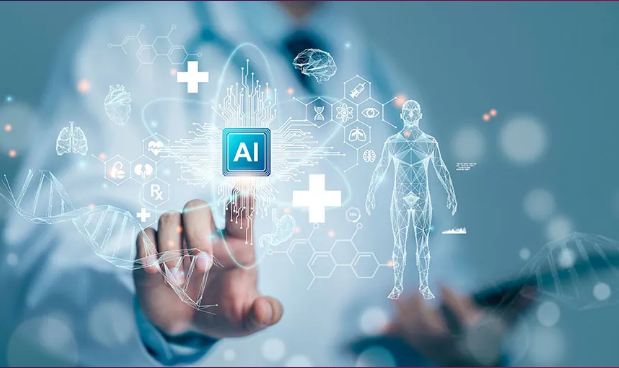
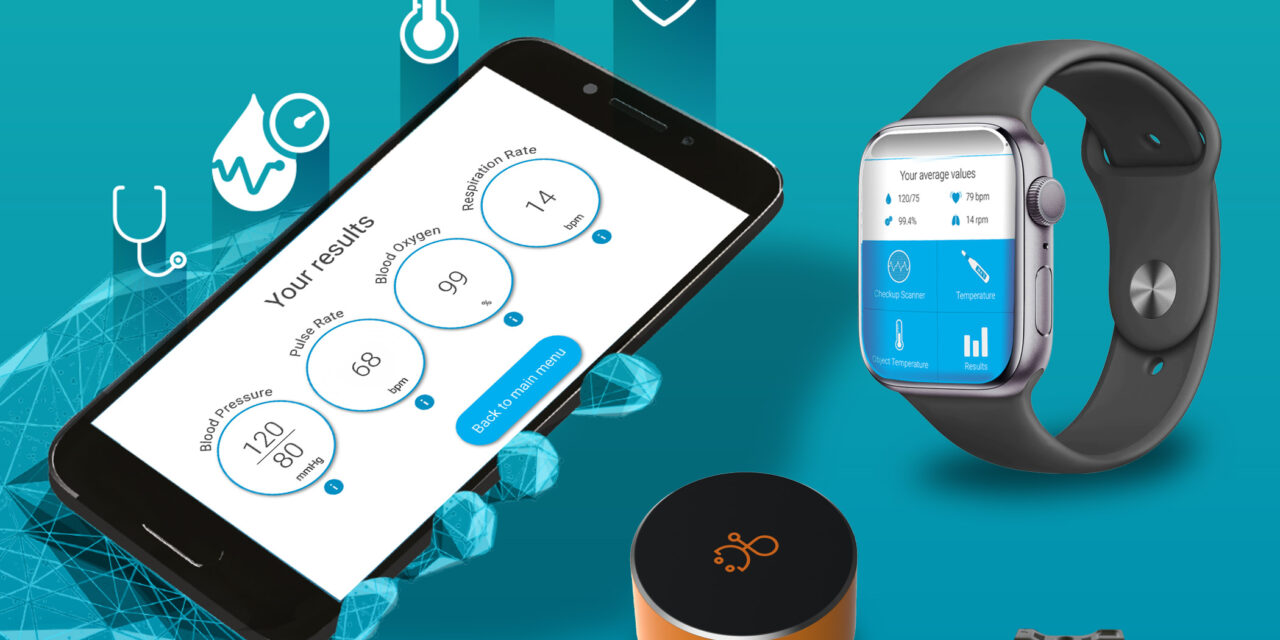
Today’s Artificial Intelligence health ecosystem combines smartphones, wearable sensors, cloud-based analytics, and telemedicine platforms. This combination allows people to track and improve their health in real time while doctors gain faster insights for preventive care.
Benefits of Artificial Intelligence in Maintaining Good Health
AI’s impact on health maintenance can be seen across several dimensions.
- Personalized Healthcare:
AI algorithms analyze genetic information, lifestyle habits, and real-time biometrics to design personalized wellness programs. - Early Disease Detection:
Predictive AI models identify health risks long before symptoms appear. For instance, AI-powered heart monitors can detect arrhythmias weeks earlier than traditional exams. - Mental Health Support:
AI chatbots in 2026 provide 24/7 emotional support and cognitive behavioral therapy, improving access to mental wellness tools worldwide. - Preventive and Continuous Monitoring:
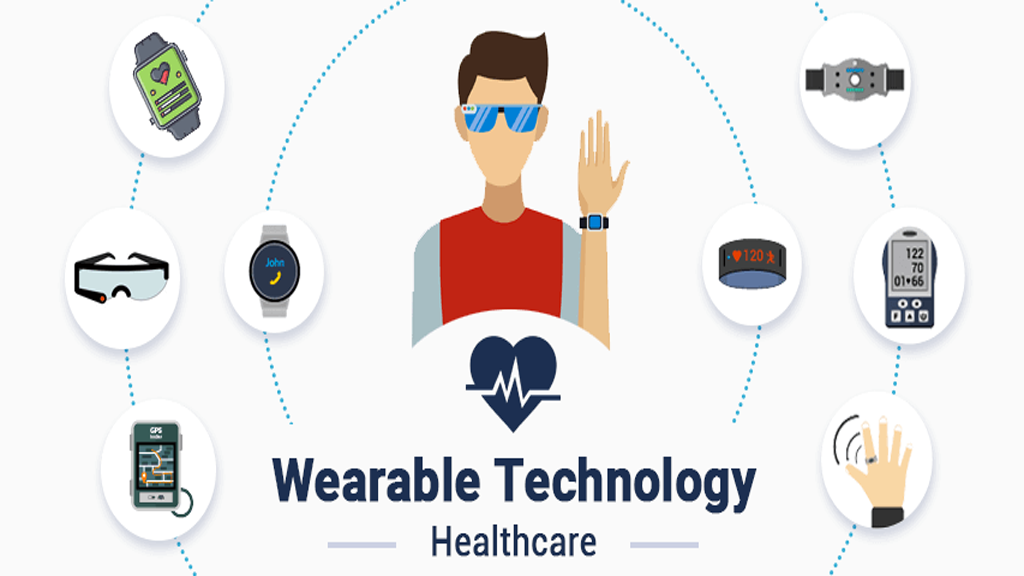
Smart wearables now include AI-driven glucose trackers, oxygen sensors, and virtual health coaches that track your wellbeing continuously. - Healthcare Cost Reduction:
By preventing hospitalizations through early detection and personalized prevention, AI reduces both personal and system-wide healthcare costs.
How AI Helps in Maintaining Good Health: A Step-by-Step Overview
AI facilitates good health maintenance through an interconnected process:
Step 1: Data Collection
Wearables, smartwatches, and connected devices collect real-time data such as heart rate, activity levels, and sleep quality.
Step 2: Data Analysis
Machine learning algorithms analyze trends and patterns in this data to assess current health and predict potential issues.
Step 3: Personalized Recommendations
AI creates actionable wellness plans—customized diets, fitness routines, or meditation suggestions—based on user behavior and goals.
Step 4: Alerts and Preventive Actions
When health indicators point to possible risks (e.g., high stress or low hydration), AI sends timely alerts for preventive intervention.
Step 5: Doctor Integration
AI platforms share summarized insights with healthcare professionals, enabling faster decisions and tailored treatments.
Tips and Best Practices for Using AI in Health
Implementing AI for health doesn’t require advanced tech knowledge—just awareness and consistency.
Use verified health apps: Choose apps certified by medical authorities or reviewed by trusted organizations.
Maintain data privacy: Ensure your devices and apps comply with global privacy standards such as GDPR or HIPAA.
Integrate AI with daily routines: Sync wearable data with fitness goals, meal planners, and sleep trackers.
Combine human expertise: AI is a tool, not a replacement for professional medical advice.
Stay updated: As AI models improve, update your apps and devices regularly to access advanced health insights.
Common Mistakes to Avoid
Even with advanced AI tools, many users make simple errors that reduce effectiveness.
Ignoring data insights: Having data means little if users fail to act on AI recommendations.
Over-relying on automation: AI complements lifestyle changes; it doesn’t make them for you.
Not calibrating devices: Inaccurate sensors can lead to misleading health predictions.
Skipping medical verification: Always cross-check AI-based alerts with real medical tests for accuracy.
Neglecting mental wellness tracking: Physical and mental health data must work together for complete wellness.
Real-Life Case Study: AI Transforms Urban Health in Tokyo (2026)
By 2026, Tokyo’s government implemented an Artificial Intelligence -driven public health initiative connecting wearable data to local clinics. Over 2 million citizens opted in voluntarily.
The AI system monitored collective data trends to identify citywide stress spikes, sleep deprivation zones, and humidity-related fatigue rates. As a result, targeted wellness campaigns and preventive alerts reduced average health-related absenteeism by 28%.
This case illustrates how Artificial Intelligence isn’t just improving individual health—it’s transforming community-level wellness management.
Artificial Intelligence Health Insights and Data Trends for 2026
Recent global reports highlight AI’s growing role in proactive healthcare management:
78% of health-conscious consumers rely on Artificial Intelligence -powered wearables for daily monitoring (Source: Statista 2026).
62% of hospitals use predictive AI tools to identify disease risks early (Source: WHO Digital Health Report 2026).
AI-driven nutrition planning apps have cut average calorie mismanagement by 40% (Source: HealthTech Review 2026).
Mental health AI chatbots have helped reduce therapy waiting times by up to 50% (Source: Psychology Today 2026).
These trends confirm that AI is becoming the silent partner in people’s daily fight for better health and happiness.
Frequently Asked Questions
- How does AI help in maintaining good health in 2026?
AI helps by analyzing real-time health data, predicting diseases, and offering personalized wellness recommendations for diet, exercise, and mental balance. - Can AI replace doctors in the future?
AI supports doctors with data-driven insights but cannot replace human judgment, empathy, or hands-on care. - Are AI health apps safe to use?
Yes, as long as they follow privacy regulations and use verified medical data. Always choose apps from trusted developers. - How can I start using AI for better health?
Start small—use a fitness tracker, an AI diet app, or a sleep monitor. Gradually connect them for a holistic health view. - What’s the biggest health benefit of AI?
The biggest advantage is prevention—AI identifies risks early and guides users toward lifestyle adjustments before illness begins.
Conclusion:
As we move through 2026, AI has evolved from novelty to necessity in maintaining good health. Its power lies in personalization, early detection, and constant care. Whether monitoring stress, planning nutrition, or helping doctors interpret complex data, AI acts as a supportive, intelligent companion guiding individuals toward long-term wellness.






One Comment